 5 hours ago
BBC correspondent shows what can happen after recent developments in Ukraine
Periskopi(4 years ago)
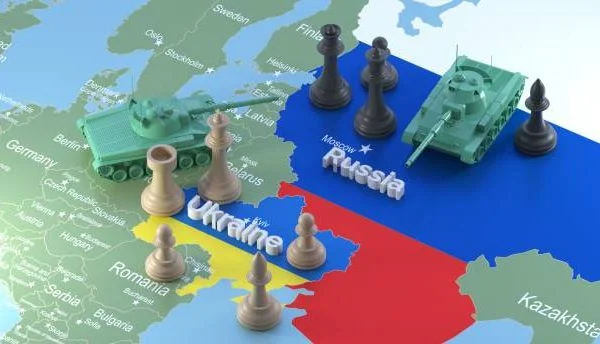
(4 years ago)The BBC diplomatic correspondent James Landale has made an analysis of what happened to Russia's decision to recognise two regions within Ukraine. Russia has recognised the independence of Luhansk and Donetsk, two regions east of Ukraine, a part of which is controlled by the Russian state-backed pro-Russian force. [...]
Russia has recognised the independence of Luhansk and Donetsk, two regions east of Ukraine, a part of which is controlled by the Russian state-backed pro-Russian force. Putin has decided to recognise the independence of Donetsk and Luhansk, recognising them as independent states. This he did on a live TV presentation.
Russia's decision to recognise Lukansk and Donnetsk is a significant escalation of the crisis over Ukraine.
It is a substantial change in Russia's position until recently President Putin and his ministers spoke of the need to revive Minsk's failed agreements, designed to establish a political solution to the east based on a form of federalism within Ukraine's existing borders.
So knowing two breakaway republics as independent kills Minsk's process.
Western powers have already condemned this move as a violation of international law and a violation of Ukraine's sovereignty and territorial integrity.
The main question is what both sides do now.
Do the West consider this decision sufficient to cause some economic sanctions against Russia? Does Russia introduce troops at the invitation of pro-Russian authorities in Luhansk and Donetsk? How can the West respond to this? And how will authorities in Kiev respond to the prospect of losing another large part of their territory?











