4 minutes ago
Albania's tourists visit Kosovo during winter
Periskopi(4 years ago)
(4 years ago)Kosovo is known as a country with great potential for developing tourism and resources available for winter tourism. Although Kosovo has attractive places for foreign visitors, the pandemic COVID-19 has impacted the decline of foreign tourists drastically. Tourists from Albania continue to be loyal to Kosovo. According to data [...]
Kosovo Tourism Union Chairman Bucky Hoti says the number of tourists visiting Kosovo is not satisfactory.
If we make comparisons in 2020 by 2021 we have a significant increase in the fact that 2020 was almost completely closed due to measures set by institutions. But, at the moment that there has been some release of measures there has been an influx of visitors not only from Albania but from other countries as well. Is that satisfying? No, it's not, but whatever it is, it's been positive. Meanwhile, if we compare the year 2021 to 2019, there is an extremely low rate of about 70 percent in the year 2019. Normally, that even the pandemic made itself not only in Kosovo, but in all countries of the world”, he points out.
In addition to other states, our country has large numbers of tourists from Albania as well.
Albania's Tourism Union Chairman Nundman Kasa says about The KP that about 100,000 tourists from Albania visit Kosovo during the winter season within a year, which it says spends about 20m euros.
Let's start with Kosovo, from the statistics that we have, during the winter season, more than 100,000 citizens come from the Republic of Albania to Kosovo. Mostly they draw winter Reservaries, which Kosovo has much more organised than Albania. But now I don't know what the real figure consumed by that number we have, but we are referring to a statistical value of about 20m euros coming from Albania to Kosovo during the winter season. But for two weeks while the drastic measures at the border were in force, almost zero circulation, but however, that the pandemic has already affected as elsewhere in tourism, and has brought a huge damage to tourism”, he said.
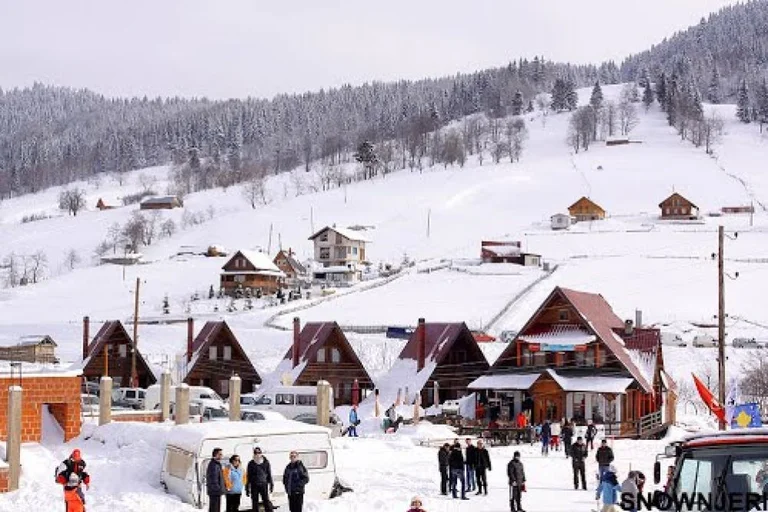
Mayor Kasa has said that Kosovo is a country sought by the citizens of Albania because of snowed attractive areas.
Kosovo has several ski tracks, there are places that stay snowy for a long time, which in Albania almost has very little, even in those countries that have not been accessible because of infrastructure, while Kosovo is more favoured, especially the winter season is very much required of Albania's citizens to come to Kosovo”, he says.
While Kosovo still does not have the Law for Tourism, however, the draft law on this sector was adopted days ago in principle on the Commission for Economics.
The chairman of the Union of Kosovo Tourists, Bucky Hoti, demanding that the Law on Tourism be voted as soon as possible by the Parliament, says this law, besides being necessary, should also be functional.
“has been necessary for Kosovo and the tourism sector to have the law because we are going to rely somewhere. That's what she needs, and it's probably been a long time ago. I think we've done the best we can in drafting, but I believe this law will be functional and will benefit the whole community in the first place and the entire tourism sector”, says Hoti.
While the day before first reading was adopted on the draft for tourism at the Commission for Economics, Industry, Trade Minister Roseta Hajdari stressed that the Law on Tourism aims to establish the legal basis for developing competitive tourism.
The Law for Tourism aims to establish the legal basis for developing competitive and sustainable tourism in the Republic of Kosovo, exploiting natural, cultural, human and financial resources. It is also in line with European Union legislation and contemporary standards... We are also working on tourism strategy and I believe this law will also help implement annual tourism plans. So, I invite you to support this bill, because it is of particular importance and national interest”, she said.
The most frequent countries in Kosovo by foreign visitors remain mountainous countries, which dominate the mountains of Rugova, Boga, Sharrit and Brezovica. Cultural tourism in the capital, Pristina, also remains a focus.