26 minutes ago
Serbia's Kosovo crime shootings risk disappearing
Periskopi(3 years ago)
(3 years ago)Most Serbian macabre crimes on Kosovo's civilian people during the war period are also recorded visually by collector Esat Shala. He asks the State to help keep these evidence from the State. In the last war in Kosovo, over 11,000 Albanians were killed by Serb forces. From [...]
In the last war in Kosovo, over 11,000 Albanians were killed by Serb forces.
Of them 8662 were unarmed Albanian civilians and over 2,000 soldiers of the Kosovo Liberation Army.
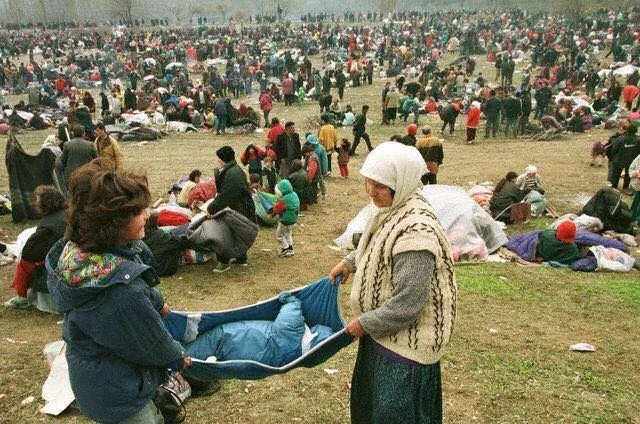
Serbian military and police forces committed about 400 village massacres with the largest number of people massacred is the Gjakova Meja over 300 massacred. Serbian military and police did not spare children, young women and older ones.
20,000 women were raped, and over 1600 persons and 23 after the war are found missing.
About 1 million Albanians were expelled from their homes, while Serbs burned over 100,000 items and the value of damage is estimated to be $22 billion.
For these crimes and this genocide that Serbia has committed in Kosovo, there are numerous facts and evidence.
But, 2,000 tapes of 400,000 hours of recording for what the Serbian state has done two decades ago on Albanians in Kosovo are in danger of losing.
For this very reason, Esat Shala has asked for state assistance in digitizing these materials.
Although a private person has managed to collect all this evidence of Serbian crimes, the State Archive Agency of Kosovo has no videos, photographs or documents on what Serbian forces did 20 years ago in Kosovo.
In this regard, the first year justice ministry had called on all Kosovo citizens and organisations that possess evidence and facts of crimes committed during the war by Serbian forces to send them to email, which the minister had published. In a Written Answer to RTK from this ministry has said that during this time, the Justice Ministry has accepted a number of data in written form, photo, but also video.
Further in this response, it is said that, with the establishment and functioning of the Institute for Documentation of the Chief Crimes during the War in Kosovo, the Ministry of Justice will bear all documentation and evidence accepted in this Institute.