18 hours ago
What happens after death? They speak to doctors: Consider what restored patients have shown
Periskopi(4 years ago)
(4 years ago)We've all wondered how it feels as we slowly drift from life to death. It can be a frightening prospect for many because it is unknown. A doctor of the intensive care unit (ICU) who has studied this very moment for more than 25 years has recorded five [...]
It can be a frightening prospect for many because it is unknown. A doctor of the intensive care unit (ICU), which has been studying this very moment for more than 25 years, has compiled five key things patients have told him about the border between life and death.
Dr Sam Parnia, an associate professor at the NYU Lange Health Department, said that for decades, people have reported having experienced increased awareness when their hearts stopped.
He said there were five main topics that came from patients studied.
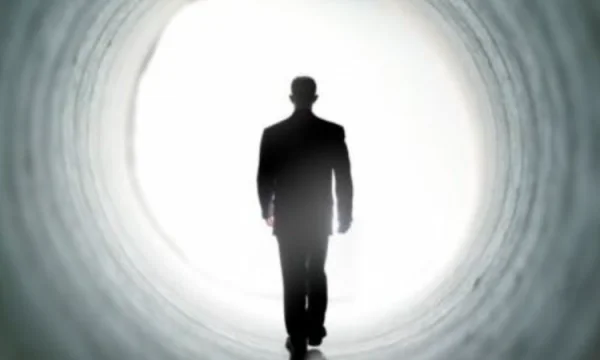
Feelings That Are Happening CPR, they listen to the medical team, feel the activities in intensive care after CPR. There were also those who said that they felt that they were headed for a destination while finally assessing life.
On these topics, Dr. Parnia told Medical News Today that many patients reflected how their actions had affected others. When it comes to departure for a destination, some patients said that they felt that they were going somewhere that looked like home. Others remembered old memories, some even remembered frightening moments of their lives.
Dr Parnia said: “We analyzed the evidence that people had and were able to identify that there is a unique experience of remembering death that is different from other experiences that people may have in the hospital or elsewhere. These are not hallucinations, they're not illusions, they're not delusions, they're real experiences that come up when you die. ”
Dr. Parnia introduced his research findings to the scientific sessions of the American Heart Association earlier this year. The study analyzed the data of 567 men and women who had submitted to it CPR after their heart stopped beating.
As the doctors tried to revive them, they also connected brain - monitoring devices to see if there was any sign of unconscious learning. The equipment also designed one of the ten images preserved on a screen and would also play audio with words such as CHAmole, pear and banana every five minutes.
Only ten percent of these patients lived, with 28 of the surviving group selected for an interview.
While some patients thought they had specific memories, Dr Parnia said these were likely wrong interpretations of medical events. For example, a patient claimed that he felt like he was coming to hell with a reaction from a drop of potassium IV, Dr. Parnia explained.
When equipped with images that had appeared on the screen, no patient was able to recall them and only one remembered the fruits appointed when they had received CPR. Experts said there were brain waves of activity that appeared on several occasions, up to 60 minutes in CPR.