31 minutes ago
Even a winter of polluted air, citizens are forced to go to the village not to the hospital
Periskopi(4 years ago)
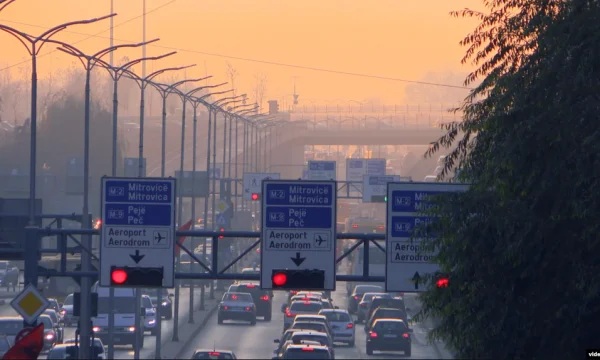
(4 years ago)As winter season approaches, Pristina citizens will also face high air pollution this year. The Kosovo capital has often been listed on the list of countries with the world's most polluted air. The biggest potential is the Kosovo Energy Corporation that supplies the entire state with energy [...]
The biggest potential is the Kosovo Energy Corporation that supplies the entire state with electricity, which is produced by coal and is located a few miles from Pristina.
The situation gets even worse when the energy crisis has become one of the biggest problems. At high prices, citizens are forced to provide heat by burning coal, wood, and other materials that contribute to lowering air quality.
Emin Islam, 58-year-old who lives in Pristina, says that during the winter season he is obliged to move to the village, otherwise he says he ends up in the hospital as a result of a chronic illness he suffers from.
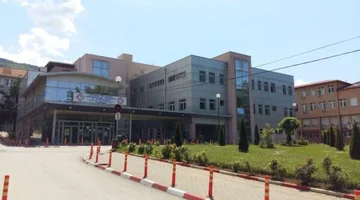
“Airi is very unclean in Pristina, especially in the winter season. We got Obilic nearby, cars, coal. I'm chronically sick myself. I, personally, winter goes to Duz Village, where I came from. Only when I'm forced to work, otherwise I leave because of the air, because it's unaffordable and ended up in the hospital”, he tells Radio Free Europe.
Islam calls on institutions to find solutions for this situation not to be repeated every year.
Besfort Kosova, from the Balkan Green Foundation regional initiative, says air quality is very low because of many factors, such as heating solids.
It explains how microscopic particles released from burning materials used for heating in Kosovo affect citizens' health.
These (men) are burning in stoves, which citizens have for heating, releases pollutants in the atmosphere, especially PM 2.5, PM 10. These are small partisans, which are introduced into the human body's internal system and cause different problems and from which it is extremely difficult to protect”, Kosovo says.
Pulmologist Flamur Mark, speaking of the health complications caused by contaminated air, also gives advice on individual measures that can be taken to reduce the damage caused by pollution.
“These particles, released pollution, create major obstacles especially in respiratory paths, where there is a deterioration of existing diseases such as bronkitis, chronic obstructural diseases, lung diseases, or even bronkial asthma”, Mark says.
He adds that in frequent cases, these patients may also need hobbies to obtain extra oxygen.
“Here needs to be added that not only existing cases deteriorate, but we have increased new cases, and young patients also show particularly respiratory problems”, he says.
The largest number of patients with contaminated air complications is between early November and March, when fuels are mostly used for heating.
Our advice for these patients is that they should avoid the pit of pollution, such as morning hours and evening hours. But if they definitely have movement in those days, then they should wear masks or even use the headscarf for protection”, Mark says.
By 2018, the Kosovo Energy Corporation has given coal as a gift to its workers. In 2018, the Ministry of Economic Development has decided to prevent coal from being given as a gift to KEK workers.
Recently, Economy Minister Artane Rizvanolli has stressed that he has abolished this decision so that workers can be helped overcoming the crisis.
Among the biggest air pollutants in Kosovo are the vehicles, especially the oldest. While not on frequent occasions, the use of electric vehicles has begun.
Fidan Hallaqi, who heads a business with taxi services in Pristina, operates with 20 100% electric cars. While contributing to air quality conservation, he says he is not relieved of any tax from the state.
“Despite the initiatives we have taken with both the Ministry of Infrastructure, whether at the municipal level, there has been no support. As a company, we have covered all the expenditures ourselves until the change or increase the capacity of the traphos due to the need for filling stations with the highest capacity of”, Hallaqi says of Radio Free Europe.
According to Besfort Kosovo, a very important measure is raising awareness of the risk of low air quality and forms of how citizens can contribute to improving this quality.
“One of the best forms would be, where possible, to use efficient devices such as thermal pumps or climates, which have lower operational costs, in addition to investing in their”, Kosovo says.
The annual report on the state of the environment in Kosovo for 2021 recommends implementation of specific measures according to the relevant sectors, including increased use of renewable energy resources and reduced the use of coal for energy production, the removal of old cars and implementation of vehicle control standards, and promotion of sustainable transport with less motor traffic, and others.
However, long - term plans seem far from being realised as citizens spend each winter fearing the health complications that this pollution causes.