13 minutes ago
The most sophisticated police communication system, Iran, follows material publication

Periskopi(4 years ago)
(4 years ago)One of the most sophisticated police communication systems in Albania, known as Memex, has fallen prey to Iran's cyber attacks in Albania, where recently a series of documents with sensitive data on order in the country have been published. Based on the volume document of over 1.7 gigabyte provided, are the names of [...]
Based on the volume document of over 1.7 gigabyte data, there are names of persons suspected of criminal acts in Albania.
Divided in 49 separate documents, each with an average of 300 revealed identities, thousands of data from Albanian citizens have been published by the group known as “Homeland Justice”, raising numerous questions about the protection of data in Albania.
Such concern has been raised by security expert Ervin Karamuco, who points out that publishing criminal information of the Memex police system, published by Iranian hackers, questions public safety in the country.
Albanian Post, the material distributed by grouping into the full-fledged Telegram media and verified its authenticity, but because of the sensitivity of the issue, no data from it can be published.
The files from Memex are in the wake of several publications by Homeland Justice, where the last case was that of former Police Director Glidis Nano's emails, where a series of issues of public importance became mediatic because of the sensitivity of the cases.
What did the FBI say Iran's attack on Albania?
The Federal Bureau of Investigation (FBI) and the US Cyber Security and Infrastructure Security Agency (CISA) have published a depletion report on Iran's cyber-based attacks (opionations) against the Government of Albania on Wednesday (September 21st).
These, recorded during July and September months.
According to the FBI, in July 2022, the “sector” Iranian state cybertypes identified as “Homeland Directorate” launched a devastating action against the Government of Albania, which made Internet sites and unconfirmable services.
The US Bureau's investigation shows that Iranian cyber state actors had initial access to the network nearly 14 months before the launch of cyber-destruction attack.
It included the hardlist cryptator Ransomware i n Malware which erases the disks.
Actors maintained a continued access to the network for nearly a year.
This, by periodically accessing and getting electronics out of content.
As for emails, actors made thousands of HTTP requests on servers to exchange them.
“The FBI monitored the client transferring approximately 70-160 Manage data and server by transferring approximately 3-20 GB data”, underline report.
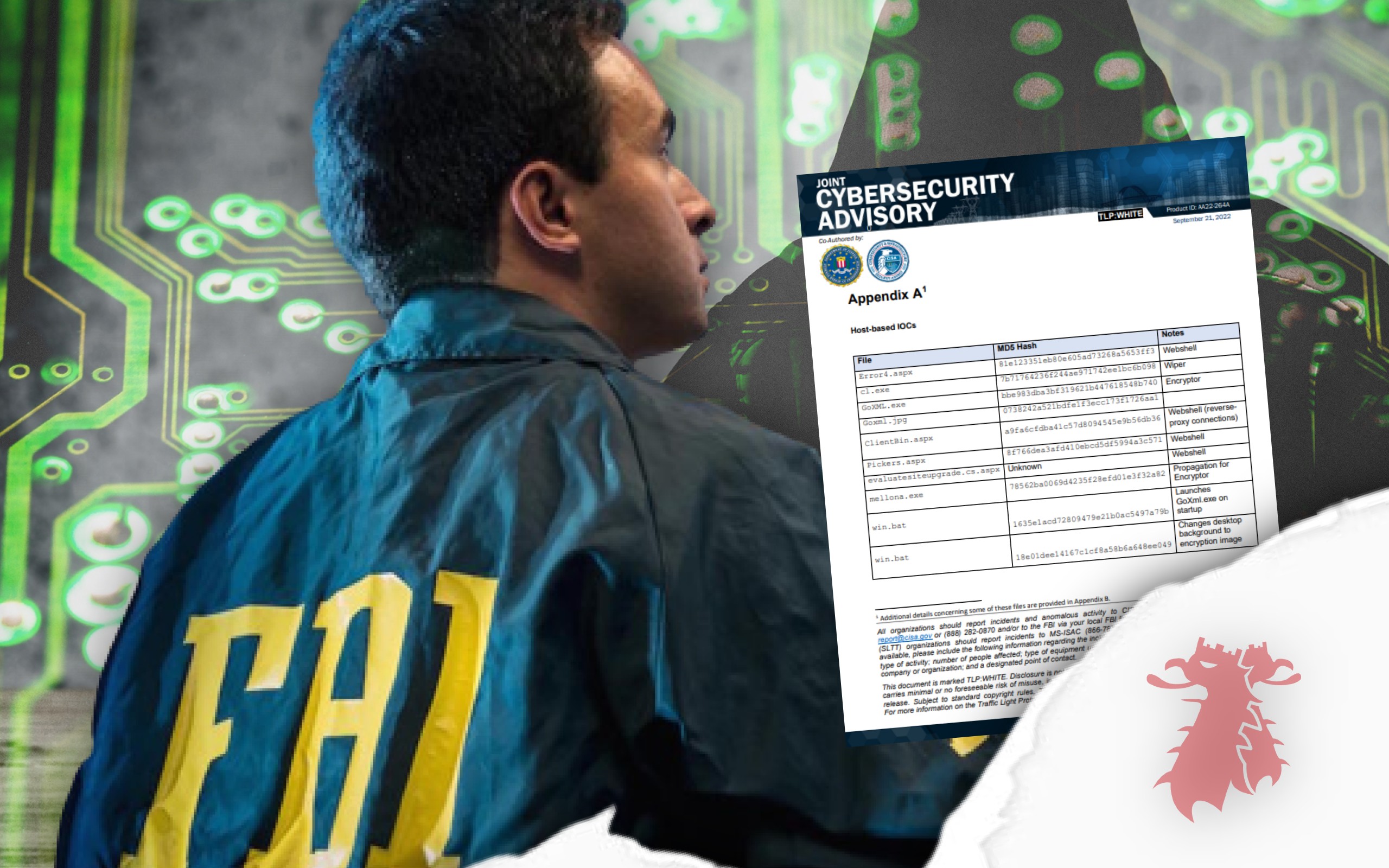
Details
Between May and June 2022, Iranian cyber state actors carried out side movements, network detection and collection of credentials from Albanian government networks.
In July 2022, actors released Ransomware on the grid, leaving a message against the mujahedin E-Khalq (MEK) on the desktop.
When network defenders identified and started responding to the activity of the sandsomware, cyber actors established a version of the devastating malt ZeroClear.
In June 2022, HomeLand Justice set up a numerous social media website and profiles that posted <x0). MEK”
On July 18th 2022, Homeland Justice received credit for the cyberattack on Albanian government infrastructure.
On July 23, 2022, this group posted cyberattack videos on their website.
From late July to mid-August 2022, social media addresses linked to HomeLand Justice demonstrated a repeat model of the Albanian Government's publication information advertising.
A survey called on respondents to choose government information that will be published by HomeLand Justice.
In September 2022, Iranian cyber actors launched another wave of cyber attacks against the Albanian government, using TTP and cyberattacks in July.
Tacticals, Technicals and Procedures (TTP) is a key concept in cyber security and the intelligence of threats.
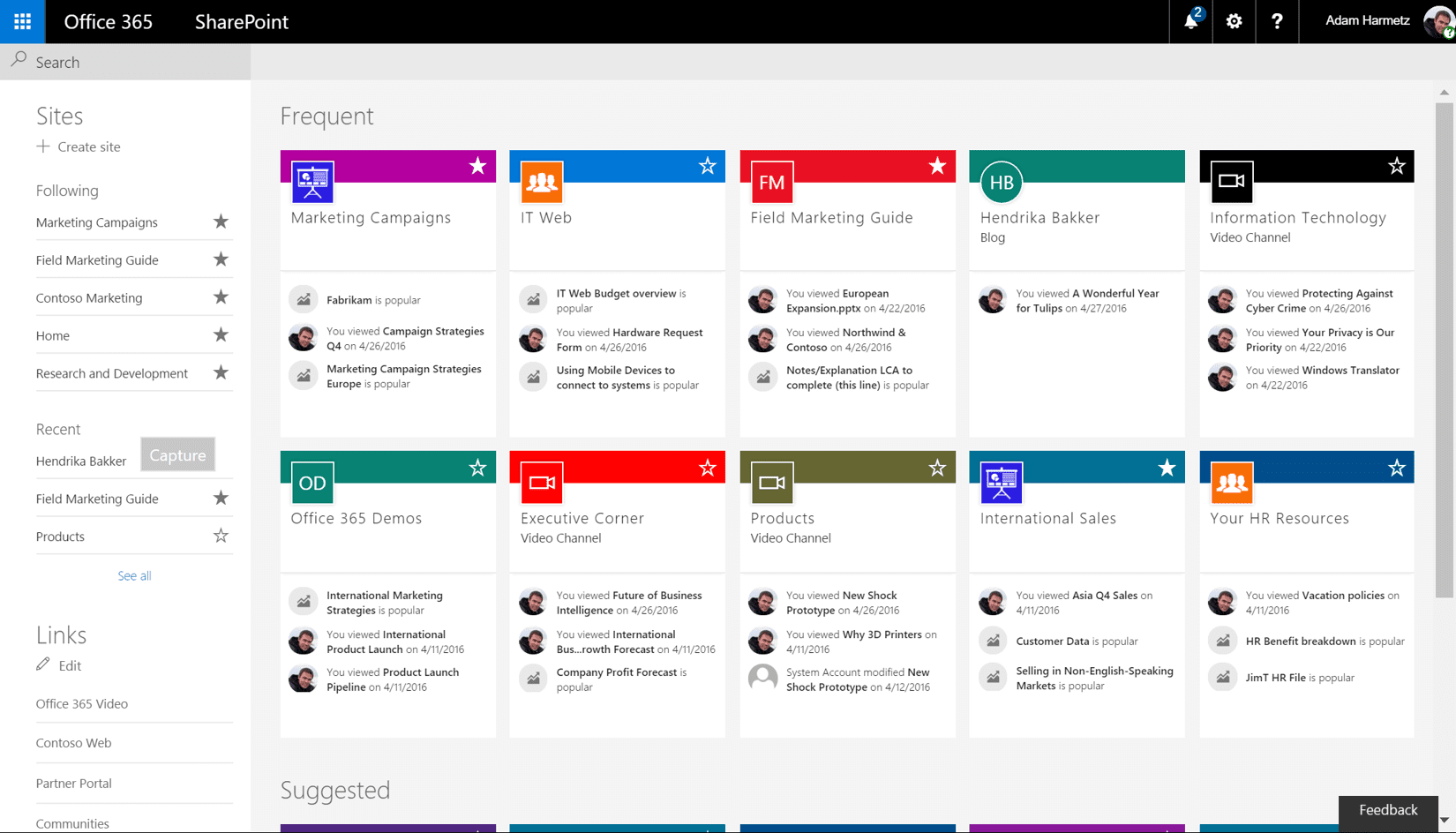
The initial approach, according to the FBI, was taken through the use of Microsoft SharePoint.
Albania
Albania's Prime Minister Edi Rama said on Wednesday, September 7th he had ordered Iranian diplomats and staff to close the embassy and leave the country within 24 hours.
Rama said the July cyber attack has “threatened to paralyse public services, wipe out digital systems and avenge state data, steal government electronics in the Intranet and cause chaos and uncertainty in the country”.
Washington, Albania's closest ally, also blamed Iran for the attack and promised “further actions to hold Iran responsible for actions threatening the security of a US ally”.
Official Tehran has strongly condemned Tirana's decision to sever its diplomatic relations, calling it “groundless claims” Albania's reasons for the move.
Iranian diplomats burned documents during the first hours of 8 September, hours before leaving the country.
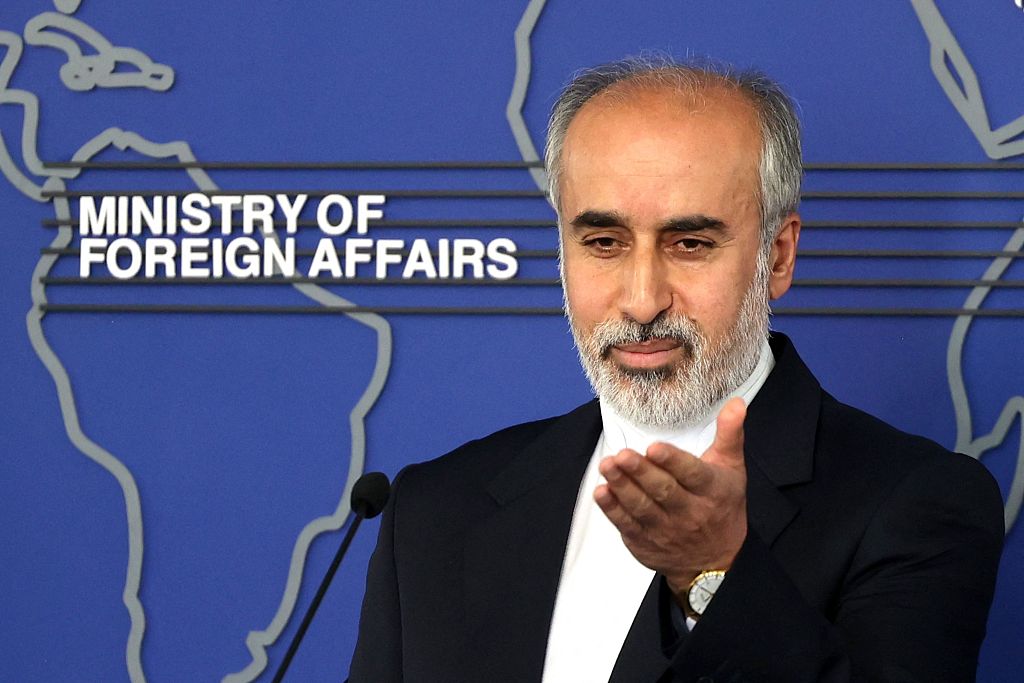
Iranian Foreign Ministry spokesman Nasser Canaan dismissed <x0-categorically” earlier on charges against Iran in connection with the cyber attack on Albania.
“We flatly dismiss accusations about another cyber attack on Albania and reserve the right to prosecute these charges”, the Iranian official stressed.
TIMS
On the evening of September 10th, the storage and transmission of data to the State Police have been under cyber attack similar to that suffered by e-Albania in July.
Albanian Prime Minister Edi Rama said the preliminary data results in the attack being carried out by the same hand, so Iran.
Our “Experts along with those of our partner countries have worked intensively from the first moment the attack was detected, to first ensure the compatibility of the data and then neutralisation of this criminal act”.
Border control management system, T IMS, for years it has been used in Albania.
It enables no person with criminal precedents, or condemned by Albanian and foreign authorities to penetrate Albania and get out of it.
This, as all passports are processed into this system that has the database integrated for all citizens, as well as all information on the Interpol system.