8 hours ago
Interview d. Kostadinovska: Stress causes psychological tension, increases depression, and chances for heart disease

Periskopi(4 years ago)
(4 years ago)Stress is a man's pre-written “fat in modern life. All as a result of a rapid pace of life, but also a reminder of the past or even current events marked with high emotional burdens. But there are also ways to care for or manage stress, which then helps [...]
Stress is a “Fate i prewrittenMan's” in modern life. All as a result of a rapid pace of life, but also a reminder of the past or even current events marked with high emotional burdens.
But there are also ways to care for or manage stress, which then helps to assess situations and moments of emotional burden.
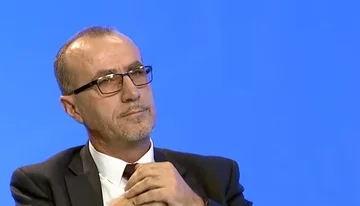
According to psychiatrist Marija Kostadinovska, stress has a negative impact, including heavy physical and psychological conditions.
“In the face of such circumstances, exposed to stressful incentives, we enter into a state of psychological tension. If this continues for a longer period, increase the chances for physical and psychological consequences, such as heart disease, hormonal disorders, anxiety, and/or depressionDr. Marija Kostadinovska, a psychiatrist.

To understand what needs to be done to cope with stress and how to recognize warning signs of chronic stress, read Dr. Xagdinovska.
Interview
What is emotional stress, and how can we cope with it? What are emotional stress levels?
Emotional stress is necessary and is an answer to adapting to certain situations and equips us to meet life's challenges.
Our response fits the threat level or danger, and it is inclusive, that is, it affects psychology, emotional, and behavior. Acmesity and concern depend on the degree of emotional stress, our previous experience in coping with various situations, age, and present life events.
Acute stress: This type of emotional stress is more common, and it corresponds to specific moments involving an immediate increase in adrenaline. Such ones are short - term ones, such as moving from residence, divorce, automobile accident, parachute flying, job seeking, or test taking, etc. These situations are short - term, end quickly, and then we can go back to our daily routine.
The acutely episoded stress situation of acute stress that occurs frequently. People have a feeling that they are in chaos and a constant crisis, that usually is because they are conditioned by a fast and pressure lifestyle.
The acutely episoded stress surfaces in those who have many self-enforced requests and in those who have a full-time routine and a full agenda of continued activities. They sometimes face fatigue, reduced concentration, and success - that is, they get tired and cause them daily problems.
When does stress become chronic?
Dr. Kostadinovska: Chronic stress occurs in situations with unresolved issues that remain constant over time. There are certain situations that can cause chronic emotional stress over time, such as poverty, dysfunctional families (family violence, which usually results from drug or alcohol consumption, coping with a serious chronic illness, etc.), unhappy marriage, unemployment, or hard work, careers, or a life that is not compatible with one's character and abilities.

Acute stress is an answer we can view as exciting, it can be motivating, from which we can learn to make sense of things and grow up as people. But when it turns into acute or episodeal emotional stress, things get serious.
How can we combat emotional stress, knowing the warning signals and alarms sent by our bodies?
Long - term negative experience can have a profound effect on the world's personality, beliefs, and outlook. To learn how to combat emotional stress, we need to know the warning signals and alarms sent to us by our bodies.
Body alarms as a result of emotional stress send out alarm signals somatizing. This means that psychological concern turns into physical distress. As a result, we may feel more tired than usual.
In the case of emotional stress, the following symptoms usually appear:
Neurologics: Headaches, stystose, fascillations, vertigos, or preying.
A toothache, nauseus, mouth drying, or “the sensation of a bump to the throat” Stress hormones released from frustration have a negative effect on culinary function and can show physical symptoms that can contribute or make inflammatory utero syndrome, frequent waste, diarrhea, etc.
♪ Breathe, breathe, breathe, breathe
· Heart rate faster heart rate or chest pain.
What do you think?
- Skin sweat or skin scratch.
· Uro)Gaffeinated urination, urinary incontinence, pain during sexual intercourse, or impotence, bone pain syndrome.

The emotional symptoms of stress - the lack of pleasure in activities that were exciting and enjoyed us until then. Bad Humor, frequent nervousness and loss of desire to be active.
It can also cause a decline in motivation and sexual desire as well as cause us to feel constant fear by filling our minds with frightening, unpleasant thoughts and expectations.
What is more important when faced with emotional stress?
Dr. Kostadinovska: It is important to get to know the situation that causes concern and anxiety and the situation that makes you uncomfortable. Thus, control over such situations may increase because we know ourselves - our needs. If there is difficulty in finding out what it is that brings us to a certain state of mental anxiety, we need to ask ourselves what we need right now and then to make a strategy to realize our need.
Remember: Stress is normal. But stress pressure makes it grow.
Also, try to think about the circumstances or factors that make you feel more vulnerable and what strategies you need to face. All of this will help you to easily recognize the moment of overload and feel that you are able to care for and protect yourself.
What are ways to reduce emotional stress?
Dr. Kostadinovska: There are other ways to reduce emotional stress that are related to a part of your daily life: that would include additional physical activity that will make you enjoy and free from heavy psychological burdens, such as walking, dancing, yoga, breathing exercises, etc.

It is also recommended to strengthen social relations, given that a good support network, that people you can trust will remind you that you are not alone and that it will allow you to cope with negative emotions. Our recommendations also include caring for your eating, sleeping, and rest habits.
When should you seek professional help?
Dr. Kostadinovska: Your sources and these advice may sometimes be just what you need and may be enough to cope. But if you can't afford it yourself, don't worry, it's nothing serious! It is normal to need help, all of us sometimes need help. So do not hesitate to contact any of our professionals who will help solve these problems.
Relief fugitives is a major step that will bring you closer to reducing emotional stress. Dedicate yourself and set small goals that will help you to move forward without pressure at your own pace toward greater ambitions.
Relief fugitives is a major step that will bring you closer to reducing emotional stress. Dedicate yourself and set small goals that will help you to move forward without pressure at your own pace toward greater ambitions.
In clinical hospital Jean Mitrev, the team of experts from psychiatrists, psychologists and psychotherapists is at your disposal through individual psychotherapeutic and medical treatments.
(a. )