 7 hours ago
Taliban: No al-Qaeda or Islamic States in Afghanistan
Periskopi(5 years ago)
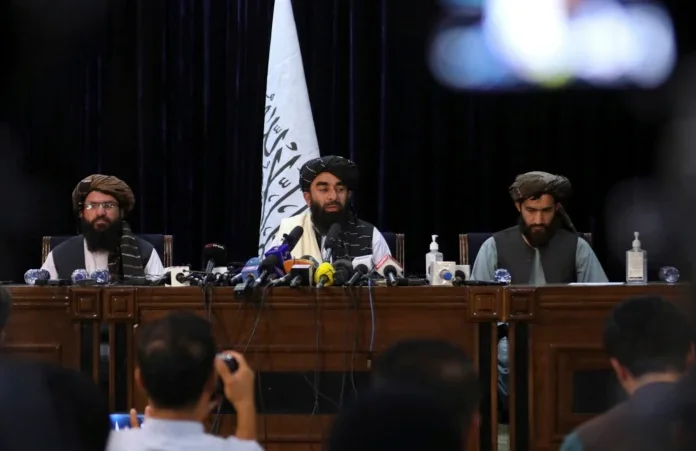
(5 years ago)The Taliban group has dismissed as the groundless “paganist” American concerns that al-Qaeda, or militants linked to the Islamic State terrorist group based in the Middle East, have a presence in Afghanistan. Taliban spokesman Zubhilah Mujaheded made the statements at a press conference in Kabul just days after the regional branch of [...]
Taliban spokesman Zubhilah Mujahedid made the statements at a press conference in Kabul just days after the regional branch of Islamic State, I The SIS-K took responsibility for a series of deadly bombing attacks over the weekend targeting Taliban fighters in the eastern province of Nangarhar.
US Deputy Director of the American Intelligence Agency David Cohen said last week that the US “has already started to see some of the signs of a possible al-Qaeda movement in Afghanistan”.
“But it is the first days”, Mr. Cohen said at a panel discussion during a summit on intelligence issues near Washington. He said Al-Qaeda could be restored within a year. “
But Mr. Mujahidi rejected these attitudes.
A Government Cabinet With Men Alone
Taliban spokesman Zubhilah Mujaheded spoke during Tuesday's press conference primarily to announce an expansion of the two-week annual Taliban government, but he did not mention any women in the cabinet of about 60 members.
Zbalullah Mujahid insisted that the Taliban government represented all Afghan ethnicities, saying women would be added to the cabinet at a later stage, but without saying when. He called on the United Nations, the US, the European Union, as well as the neighbours of Afghanistan to recognise Kabul's government.
Meanwhile, some of the main members of the Taliban cabinet are on the US and UN blacklist.
Washington and other countries claim they will judge the Taliban based on their actions and that recognition of a Taliban-led government will be linked to the treatment of women and minorities, among other problems.
This approach stems from fear that Taliban may try to restore their harsh Islamic rule, as it did in 1996, 2001.
The Taliban rule of that period was marked by a brutal system of justice, the ban on women going to work, or being part of public life, as well as the ban on girls' schooling.











