 an hour ago
Study: 19 thousand deaths in the last three years in Europe have been caused by thermal power plants in the Balkans
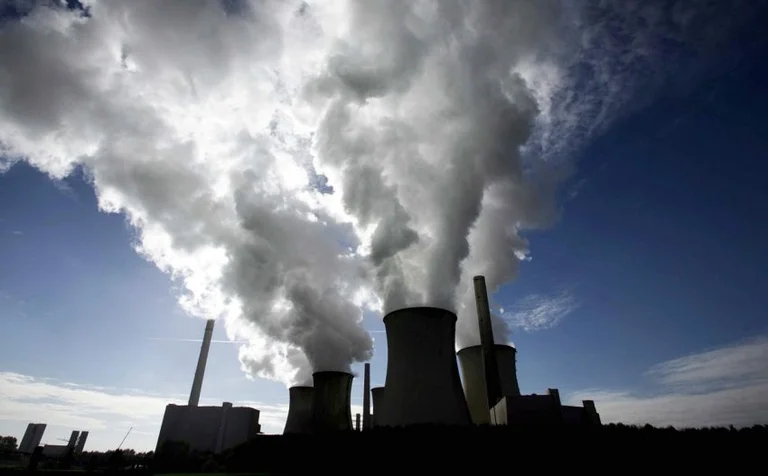
Periskopi(5 years ago)
(5 years ago)Some 19 thousand registered deaths in Europe in the past three years date back to pollution caused by coal power plants in Western Balkan countries. The figure appears in a report drafted by CE Bankwatch Network and the Centre for Energy and Clear Air Research. Half these deaths have occurred [...]
Some 19 thousand registered deaths in Europe in the past three years date back to pollution caused by coal power plants in Western Balkan countries. The figure appears in a report drafted by CE Bankwatch Network and the Centre for Energy and Clear Air Research.
Half of these deaths have occurred in European Union countries involving Italy, Romania and Hungary. The pollution comes from thermal power plants exceeding the allowed limits of pollution, or working hours limit, in Serbia, Kosovo, Bosnia and Herzegovina, northern Macedonia and Montenegro.
The authors argue that along with health costs, the EU also holds “part of responsibility”, as it is a net importer of electricity from this region.
The production of electricity in these plants can be extremely severe in polluting. According to the report, energy production in these countries is about 300 times more intense with SO2 than in the EU.
SO2, or sulfur dioxide, is a polluting air with a huge negative impact on human health.
Electricity from the Western Balkans represents only 0.3 per cent of EU electricity consumption, but because its output is so intense with SO2, emissions of this polluting gas are equal to half of all SO2 emissions from all thermal power plants in the EU in 2020.
These TeCs are part of the National Programme Reduction Plans (NERP), which allow them to continue operating plants built before 1992 until 2027 in harsh conditions.
These conditions include an annual ceiling for the amount of various pollutants, as well as a limit of 20,000 hours a year. In 2018 and 2019, according to the report, coal plants involved in the NERPs released about six times as much sulfur dioxide (SO2) as permitted, but in 2020 they issued 6.4 times more.
TECs released about 1.6 times as much dust as was allowed in the three years between 2018 and 2020, even emissions of absolute value.











