7 hours ago
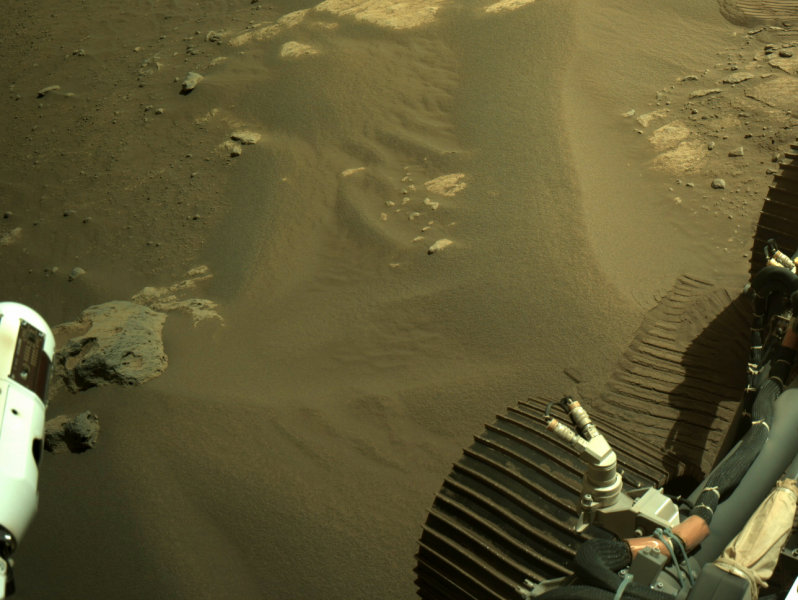
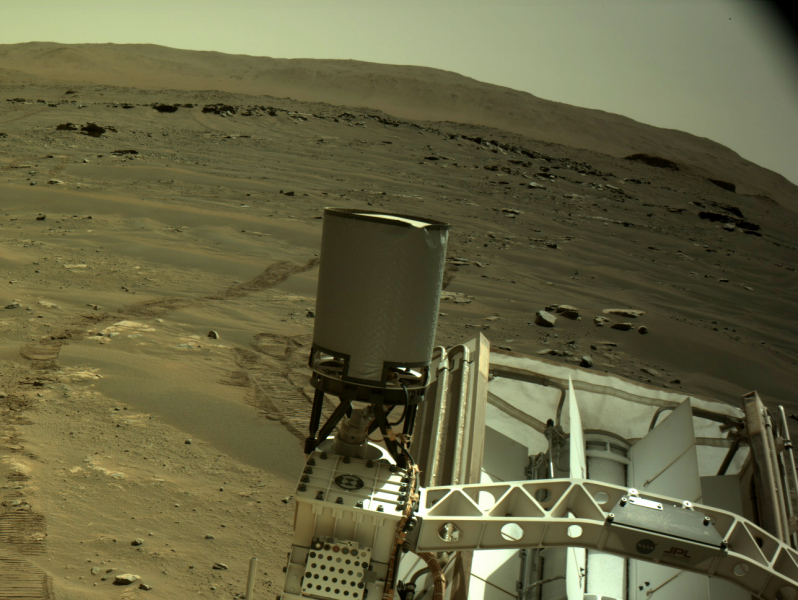
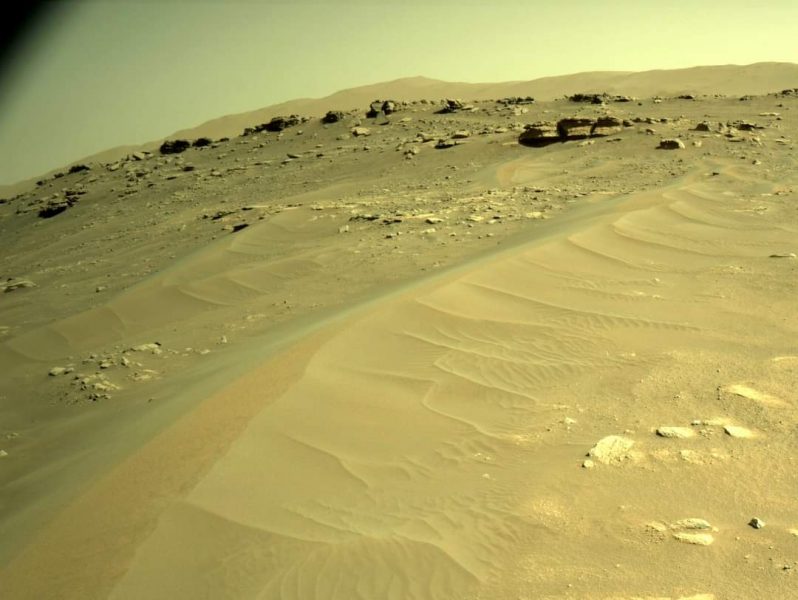
Life trails on Mars, images of what Rover's caught NASA
Periskopi(5 years ago)
(5 years ago)The Rover, sent from NASA to Mars, has dug on a rock that can prove that there were life forms on this planet. The crater, called Jezero, has been identified as volcanic in its origin, while the testes of the crater included calcium sulfat and phosphate calcium, which indicate lines [...]
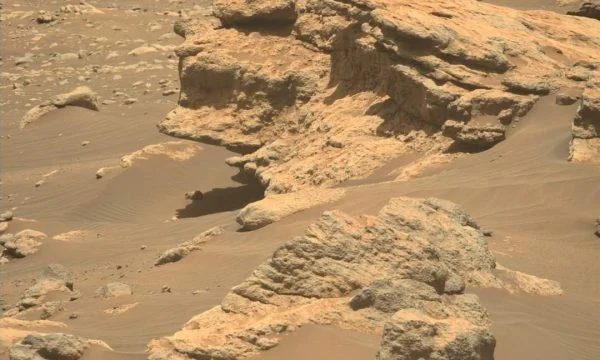
The crater, called Jezero, has been identified as volcanic in its origin, while the evidence of the crater also contained calcium sulfat and phosphate calcium, which points to water lines passing over it, thus increasing the chances that life on Mars once existed.
Rover dug twice over this crater on September 6, and again three days later. Satellite images suggest that the area around the crater was inhabited because scientists believe that a river of 45km wide has passed by.
“The maps are important minerals to preserve signs of ancient life here on Earth and we expect the same thing to be true for the rocks on Mars,” explained the deputy scientist of the project “Perseverance” Dr Katie Stack Morgan.
The results of the investigation are expected to come true, as soon as the samples received reach our planet. / TCH