 6 hours ago
Sixty years ago: A wall divides Berlin
Periskopi(5 years ago)
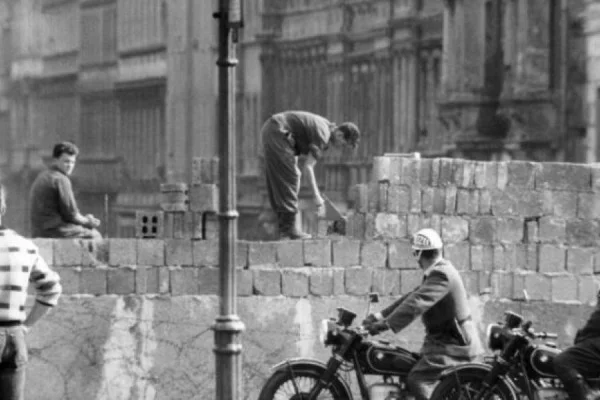
(5 years ago)Just before dawn on August 13, 1961, the border between east and west of the city of Berlin is divided with razor wire: The Berlin Wall is born. In the western part of Berlin, a phone call in the middle of the night by the Spandau police announces that an S-Bahn train, the Berlin subway, has been returned. In [...]
Just before dawn on August 13, 1961, the border between east and west of the city of Berlin is divided with razor wire: The Berlin Wall is born.
In the western part of Berlin, a phone call in the middle of the night by the Spandau police announces that an S-Bahn train, the Berlin subway, has been returned.
At 2: 00 a.m., something is happening in the German capital. From the Alexander Square, Erich Honecker, still unknown, conducts operations as a SED officer: within hours, at the order of President Walter Ulbricht, the eastern and western Berlin divides.
The Warsaw Treaty governments' decision to close the city's eastern area with the aim of avoiding bloodshed (1.6 million residents of Berlin had already left east to west), became the tangible representation of the “Iron West, dividing the world into two blocks, under Soviet influence and under American influence, during the Cold War.
The consequences of that choice separated families and friends for decades and cost the lives of many Germans who tried to escape in increasingly dangerous ways.
At least 140 were the victims of the Wall, killed by <x0 shots fired at” by agents from the east.
The history of the origin of that border, quickly converted into concrete blocks, can be shown through already ikionic images.











