7 hours ago
Taliban: Afghan women may go to university, but not in the same halls with men
Periskopi(5 years ago)
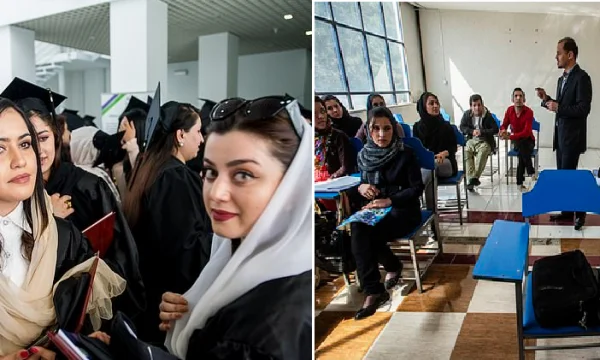
(5 years ago)New Taliban invaders in Afghanistan have stated yesterday that they will allow women to study at the university, but not in the same rooms with men. The group's acting senior education minister added, among other things, that male teachers will not be allowed to teach women. Taliban are creating [...]
The group's acting senior education minister added, among other things, that male teachers will not be allowed to teach women.
The Taliban are creating the framework of the country's new government, having all 34 provinces in the country, except one. They have said they will rule according to the interpretation of Sheriat's Islamic law.
So far the group has tried to assure Afghan citizens and the international community that it will not suppress women's rights as before, but many doubt militants' sincerity on the issue, reports Top Channel.
“People in Afghanistan will continue their smooth higher education under Sheriat's law, without male and female mixed environments”, incumbent Taliban Minister Abul Bacqi Haqani said. “Burrat will not be allowed to teach girls”.
Haqqani added that changes will be made in quartila to add Islamic, national and historical values to lessons, as well as to compete with other countries.
During the rule of former President Ashraf Ghan, whose government was overturned when the Taliban captured Kabul on August 15th, women's rights had been extended, allowing them to work and study.
The last time the Taliban were in power in 1996 until 2001, they established a harsh Islamic regime, banning women and girls from studying, or publicly executing political opponents.
This time they promise to be different, both for women's rights and for the acceptance of minorities in government, including overturned President Hamid Karzai.
They have also sent representatives for talks with the Muslim minority Shiite Hazara, who were violated by the Taliban in the 1990s.
There was relief in some parts of the country for statements, while others sought deeds rather than words.