4 hours ago
What is Sheriat Law?

Periskopi(5 years ago)
(5 years ago)The Taliban have said they will rule Afghanistan under the Sheria Law. Sheriat's law is the law system of Islam. He comes from the Koran. The condition literally means “cretity, a good path leading to water”. Sheriat Law acts as a standard of life that all Muslims must adhere to, [...]
Sheriat's law is the law system of Islam. He comes from the Koran. The condition literally means “cretity, a good path leading to water”.
The law of Sheriat acts as a standard of life that all Muslims must maintain, including prayers, fasting, and donations for the poor.
It aims to help Muslims understand how they should guide every aspect of their lives according to God's desires.
However, there are various interpretations on how to apply Sheriati.
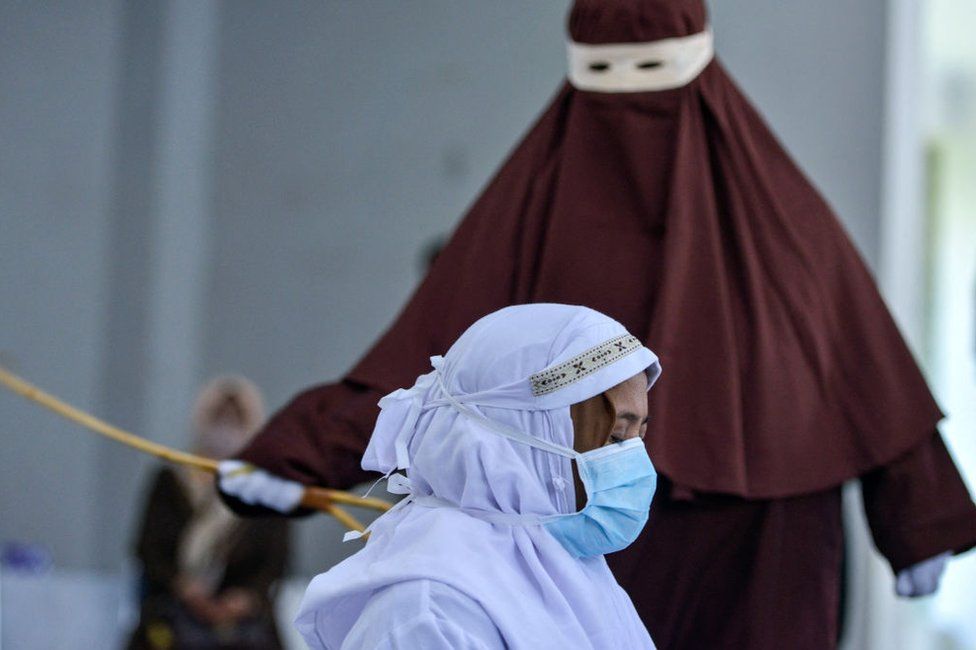
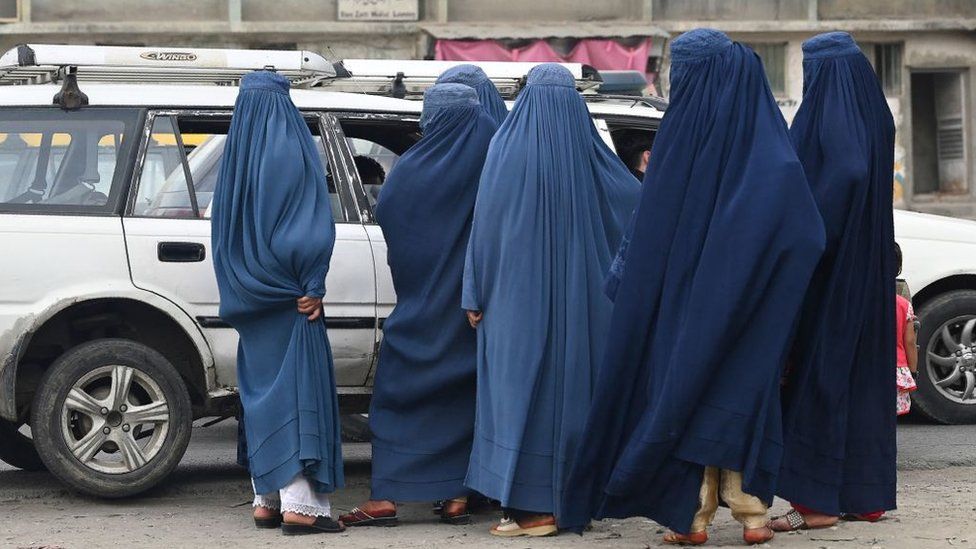
When the Taliban were in power for the last time, they established a strict understanding of the law on Afghanistan. This included brutal punishments, such as amputation of human hands for theft and public executions for murder.
What does that mean in practice?
Sheriati can report every aspect of daily life for a Muslim.
For example, a Muslim who wonders what to do if their colleagues invite them to a postwork stamp may be directed to a Sheriat scholar for advice to ensure that they act within the legal framework of their religion.
Other areas of daily life where Muslims can address Sheriat for instruction include family rights, finances, and business.
What are some severe sentences?
Sheriat Law divides criminal acts into two general categories: criminal acts “had”, which are serious crimes with certain sentences and crimes “tazir”, where the sentence is left in the judge's discretion.
Criminal acts Hadd include stealing, which may be punished by copyright amputation, and adultery, which can carry the death penalty of stones.
Some Islamic organisations have argued there are many safeguard clauses and a huge burden of evidence in the implementation of Hadddi's penalties, the BBC writes, broadcasts Klankosova.
The UN has expressed itself against death by stone, saying that “represents torture or other cruel, inhuman or degrading treatment or punishment and is clearly forbidden”.
Not all Muslim countries adopt or enforce such penalties for criminal acts, and polls have suggested that Muslim attitudes towards severe sentences for such acts differ greatly.