3 hours ago
Scientific research: Delta variation is more resistant to a dose of Pfizer and AstraZeneca vaccines
Periskopi(5 years ago)
(5 years ago)Since the spread of SARS-CoV-2, which began in China in December 2019, genetic mutations of the virus created different variants that “are different than their predecessors. When a virus infects a cell and then reproduces using the cell mechanism, mistakes can occur. In time, these mistakes [...]
Since the spread of SARS-CoV-2, which began in China in December 2019, genetic mutations of the virus created different variants that “are different than their predecessors.
When a virus infects a cell and then reproduces using the cell mechanism, mistakes can occur. In time, these errors can generate mutations in the virus's genetic material.
When the virus has one or more mutations that alter it, a variant appears. New varieties can be more infectious and resistant to vaccines.
Some changes in the proteins that form the virus type may affect the development of antibodies after an infection or the way a vaccine neutralizes it.
Among the new SARS-CoV-2 variants, the type Delta was identified in India in October 2020.
According to the Centers for Disease Control and Prevention, it then spread rapidly and has already appeared in 111 different countries of the world.
In a recent paper published in Nature, Schwartz and his colleagues from the Clean Institute in France reviewed “review” of the new variant unjustly Delta to Pfizer and AstraZeneca vaccines.
Researchers isolated a sample of the variation from a traveler who came from India. They analyzed the response in 109 patients infected with the first type of SARS-CoV-2 and 59 received the first dose of vaccines. Their findings showed that antibodies present to people with an earlier infection or vaccines could not target and neutralise the Delta version, which means they were less effective against this new species.
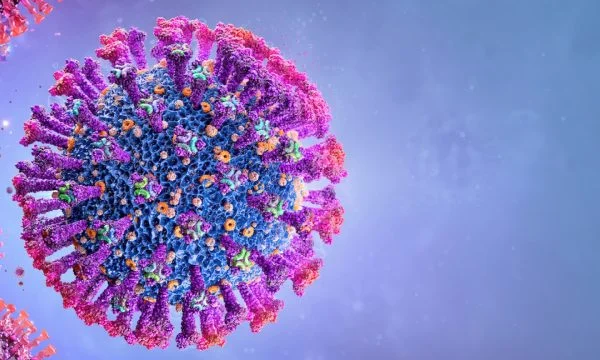
The genetic analysis of the Delta version indicates that it contains nine new mutations, including seven in genes that code for different parts of the epic protein that allows the virus to enter the cells.
Since anti - virus antibodies know the epic protein, mutations can make the virus more resistant, avoiding identification and targeting by vaccines.
Schwarz and his colleagues discovered that although a dose of the vaccine was not enough to neutralise Delta type, taking two doses showed an effectiveness of 95%.
They also found that the vaccine of people who were previously infected with the Alpha version was more effective against variant Delta.
Moreover, their immune response was even higher than the average.
The new Delta version seems to be more efficient and to spread more rapidly compared to the Alpha variant.
Despite these results, researchers indicated that Pfizer and AstraZeneca vaccines were effective if they did two doses. /gazetaexpress/