 3 hours ago
Pakistan no longer accepts refugees from neighbouring Afghanistan
Periskopi(5 years ago)
(5 years ago)Normally, 6 grand to 7 thousand people would cross the border between Afghanistan and Pakistan every day. Now with difficulty, you can find 50 people waiting to pass through. The measures have been toughed, while border guards on the Pakistani side say they do not want militants to enter the country, claiming they are [...]
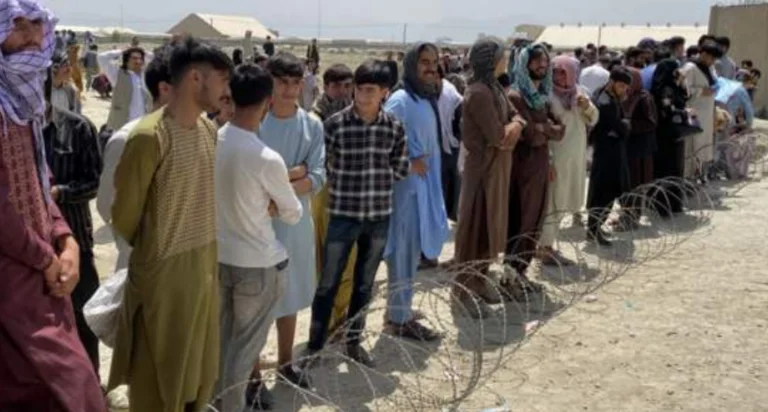
Normally, 6 grand to 7 thousand people would cross the border between Afghanistan and Pakistan every day. Now with difficulty, you can find 50 people waiting to pass through.
The measures have been toughed, while border guards on the Pakistani side say they do not want militants to enter the country, claiming to be citizens.
On the other side of the border patrolled Taliban fighters, but after a several-day blockade following riots in Afghanistan, the movement of goods has resumed.
Torkham has been the main entry point for thousands of Afghan refugees in decades. Now the number of refugees is lower and not only are Taliban preventing floods towards Pakistan, but among the increased border violence over the past few years, Pakistan has armoured itself from Afghanistan.
All border crossings have been fortified, making refugee entry impossible without government permission. More than 3 million Afghan refugees, most of whom unregistered have lived in Pakistan for decades.
Now, Islamabad's government says it has reached limits and that it can no longer accept other people from the war-torn country. The burden of refugees seems destined to pass beyond neighbours, making Europe's fear of a crisis similar to that of 2015 even more real.











