 5 hours ago
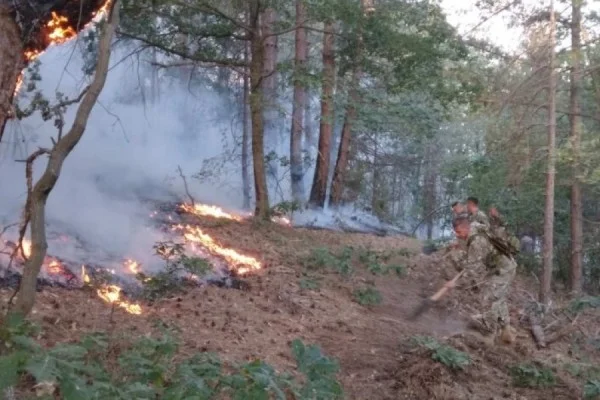
Northern Macedonia: Thirty-day crisis state revealed due to fires
Periskopi(5 years ago)
(5 years ago)The government of the Republic of Northern Macedonia has declared crisis conditions due to the situation with fires in the country, transmits Alsat. The executive has made the decision to declare the crisis situation for 30 days, throughout the country's entire territory. The decision was made following the Committee's call for crisis co-ordination and management. By Declare [...]
The government of the Republic of Northern Macedonia has declared crisis conditions due to the situation with fires in the country, transmits Alsat.
The executive has made the decision to declare the crisis situation for 30 days, throughout the country's entire territory. The decision was made following the Committee's call for crisis co-ordination and management.
With the crisis situation declared, the Law allows the Government to exploit the resources of state administration bodies, municipal organs and the city of Skopje, while with preliminary or voluntary agreements, citizens' resources can also be exploited.
The government says the president of the Republic of Northern Macedonia and Parliament will be announced on the decision.
What does the crisis situation represent?
The 30-day crisis situation in the entire state territory today announced the Government with a proposal of the Steering Committee to declare the crisis situation due to the situation with fires.
In the Crisis Management Law, the crisis situation has been defined as a state caused by risks that could endanger the goods, health and life of humans and animals, and the security of the state, for preventing or coping with the need for greater resource volume. The decision to declare it cannot last more than 30 days.
If this period needs to be exceeded, either the situation will last longer, the government should seek approval from the Parliament for continuing the deadline or propose declaring the state of war or the state of emergency. The Assembly and the president of state can at any moment request oral or written reports of the situation in the area of crisis management.
The law allows the Government to make a decision to use the state administration's bodies of resources, municipal and city bodies, as well as to manage them in case of the crisis. The use of resources for realisation of activities should be proportional according to the nature and intensity of the crisis situation, reasonable according to the character of the crisis and serious according to the power and volume of the crisis.
In the event of the crisis situation, resources of public enterprises, institutions and services can be used, as well as commercial associations that are of particular importance for jobs in crisis situations, in accordance with the law. At the Government's request, on the basis of the stand - up agreement, or voluntarily, citizen resources and other legal authorities can be used.
The law envisions that with some of its forces the Army can participate in supporting the police under conditions where the country's security is endangered, while state administration bodies have no adequate resources and means for their prevention and management. The proposal in Government for the need for participation in a part of the Army, according to Strategic Defence Control, provides the Steering Committee. The president can at any time assess the need for participation in the Army. The way of participating part of the army in crisis situation is regulated by the order the president brings.











