an hour ago
The mysterious creature absorbs the blood of 50 livestock, residents believe that the frightening legend is about to return
Periskopi(5 years ago)
(5 years ago)A mysterious creature that sucks blood and attacked 50 lama and alpapapa in Chile has scared a farmer who believes in the bad legend of Chupacabra. Owners of cattle in the central Cititan city, on Bolivia's border, claim that a strange animal has targeted larmas and alpaats since November [...]
The owners of cattle in the central Cititan city of Bolivia, on Bolivia's border, claim that a strange animal has targeted larmas and alpaats since November 2020.
Lama is a tamed camel of South America, widely used as a meat animal and work by Andesan cultures since the pre-Columbian era.
The Alps are kind of a South American camel. It is similar and often confused with the wool. However, alpaca are often smaller than the lampa. Both animals are closely bound and can be crossed successfully.
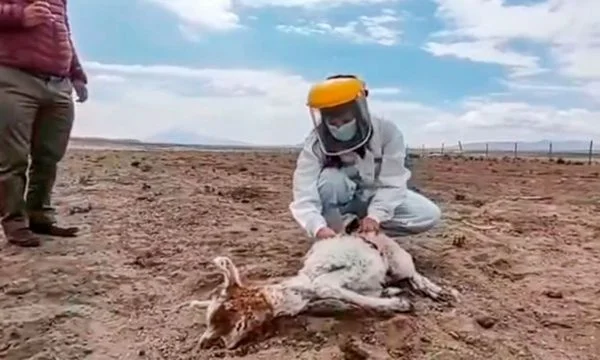
Lama and alpaca have been attacked at night, absorbed in blood, and left dead. The local people initially thought that the livestock were killed by someone who had ill will against them. Farmer Juan Choque believes that blood - sucking creatures may be the Chupacabra, legend of a bad omens that began in the '90s.
According to Mr. Choque, Chupacabra is a mythologyic animal similar to the zombie that feeds on the blood of livestock.
He said: “first when two or three deaths appeared, we thought there was someone who was going to hurt us, but when the children of Lame and Alpaca began to be killed, we began to suspect because killing the little ones didn't help anyone”
Farmer said that the myth has scared him so much that he has now set up solar panels to illuminate lama and alpaca to intimidate the animal.
Andrea Nieto, an expert vet, said that no traces of livestock have been found.
It's hard to say which was the cause of the attack because the signs on dead livestock are not signs of pumas or foxes. Only two holes are seen in the breasts of lamas and alpaca and nothing else. It seems that the animal absorbed their blood, but a broader” investigation must be conducted, veterinarian said.