8 hours ago
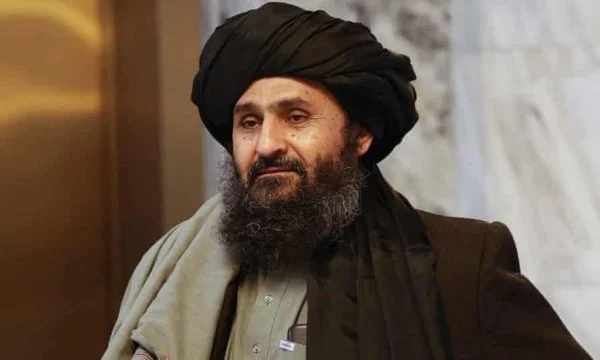
Who is Mula Abdul Ghanhan Baradar, thought to be Afghanistan's new president
Periskopi(5 years ago)
(5 years ago)The situation in Afghanistan is heavy, as last night the Taliban took power. Thousands of people are at Kabul International Airport in an effort to leave the country, fearing what might happen next. President Ashraf Ghan, along with National Security Councillor Hamdullah Muhib and head of the administrative office [...]
The situation in Afghanistan is heavy, as last night the Taliban took power.
Thousands of people are at Kabul International Airport in an effort to leave the country, fearing what might happen next.
President Ashraf Ghan, along with National Security Adviser Hamdullah Muhib and the head of President Fazel Mahmood Fazli's administrative office, have left the country.
There is a uncertainty about the future of leadership in the country, once again, signaling the end of a 20-year-old Western experiment aimed at rebuilding Afghanistan.
While reports say a delegation of Taliban and Afghan leaders will head to Qatar for power transfer talks and who will take office as supreme, there are speculation that the head of the Taliban political bureau, Muhammad Abdul Ghan Baradar, will likely be president.
Who is Mulla Abdul Ghani Baradar?
Mullah Abdul Ghan Baradar grew up in Kandahar, the birthplace of the Taliban movement. Like most Afghans, Baradari's life was permanently changed by the country's Soviet invasion in the late 1970s, turning it into a rebel. He was believed to have fought side by side with the clergyman with a glance at Mullah Omar.
Both would establish the Taliban movement in the early 1990s amid chaos and civil war corruption that erupted after Soviet withdrawal.
After the Taliban fell in 2001, Baradar is believed to have been among a small group of rebels who addressed interim leader Hamid Karzai with a letter describing a possible agreement that would have seen militants recognise the new administration.
Arrested in Pakistan in 2010, Baradar was held in custody until pressure from the United States released him in 2018 and moved to Qatar.
Here he was appointed chief of the Taliban political office and supervised the signing of the withdrawal agreement with the Americans.