 5 hours ago
The results of a research: Half of Serbs think Serbia can never manage Kosovo again
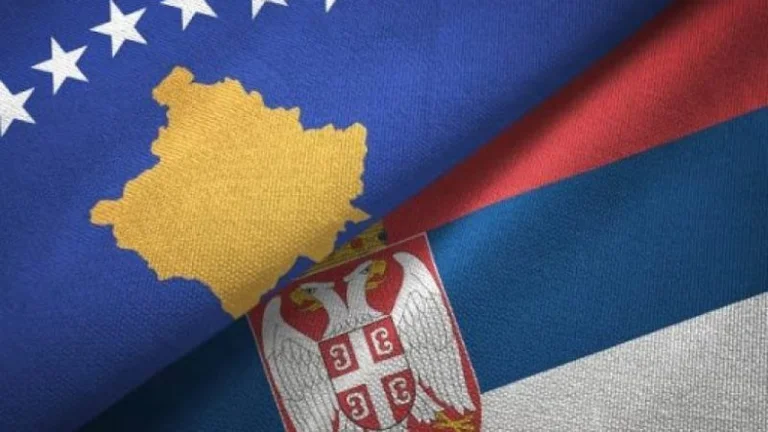
Periskopi(5 years ago)
(5 years ago)In Serbia, citizens' confidence that Serbia could once again manage Kosovo is increasingly declining, but citizens of this neighbouring state continue not to support Kosovo's independence, even on condition of their country's membership in the European Union. As education rates rise, yes [...]
A large number of citizens of Serbia, 70 percent of them think that permanent peace with Albanians should be achieved. While, 45 per cent of them think Serbia can never manage Kosovo again.
According to a European Affairs Institute research conducted in March and April of this year, which media have published in Serbia, 75 percent of citizens surveyed in Serbia would not support Kosovo's independence, even under the condition of Serbia's fastest entry into the European Union. 13 percent would decide on that step, while 12 percent are indecisive, transmits Telegrafi.
Also, according to this research, if there were a referendum on Kosovo's independence tomorrow, the largest number of respondents would vote against 64.9 percent, while only 9.5 percent would vote for and 12 percent do not know how to vote. At the same time, 13.6 percent would not go out to vote.
When it comes to the stance on Kosovo and the entry into the European Union among those who firmly say they would not support independence in exchange for a star on the flag in Brussels, older respondents are the most, mainly from Belgrade, broadcasting Telegrafi.
As education rates rise, so do the number of respondents who share that view.
According to research, a quarter of respondents think the government will not recognise Kosovo
As for the referendum, there are mainly men who would vote against Kosovo independence, both young and older respondents. Compared to the referendum polls.
In opinion it is often the current topic for citizens' attitude towards Kosovo, so 39 percent of them think that Kosovo is lost, and nearly half, 46 percent think otherwise.
Further in research, the stance that Kosovo is lost is said to be more pronounced among women, respondents aged 30-59, with the highest level of education -- from towns and Vojvodina. As for previous research, there is a slight downward trend in response that Kosovo is lost.
At the same time, about 45 per cent of respondents believe it is not possible for Serbia to regain full control and sovereignty over Kosovo. And a little over a third, 38 percent, feel that it is possible.
A little over a quarter -- 26 percent of respondents -- believe that the current government in Serbia will recognise Kosovo, slightly more than half, 52 percent -- think this Government will not do so, while 22 percent do not know how to declare it.
As expected, the thought that this government will not recognise Kosovo is largely held by respondents older than 60, in all regions except Vojvodina. As education levels rise, so is the number of respondents who believe this government will not recognise Kosovo.
More than half, 54 per cent of them say they would not support President Aleksandar Vuciq's plan, which would bring Kosovo independence and a stable state and a better standard for Serbian citizens, while 21 per cent would support this plan.
When it comes to agreements, about 68 percent of respondents support the establishment of lasting peace with Albanians in Kosovo, 12 percent oppose and a fifth do not know the answer.
Deputy Director of the Institute for European Affairs Programme Alexandra Stankovic points out that, compared to previous research, there is a slight declining trend of the number of respondents who would not support Kosovo's independence due to Serbia's quickest EU accession, the Telegraph broadcast.
However, at the same time, 54 percent of them said they would not support President Aleksandar Vuciq's plan, which would recognise Kosovo's independence, which means once the EU is mentioned, the number of citizens opposed, sometimes by 20 percent. You can see the exceptionally strong EU dislike, which is the consequence of anti-fushata in certain media”, Stankovic said.
But when it comes to, for example, citizens getting out in the referendum, percentages of support fall.
“What is encouraging, almost 70% of them realize that it is necessary to achieve lasting peace with Albanians. We did not enter into what is needed for that lasting peace, but the very fact that the percentage is high is encouraging”, Stankovic said.











