6 hours ago
Professor of UP's claims that the pandemic bankrolled “hundreds of thousands of businesses” in Kosovo
Periskopi(5 years ago)
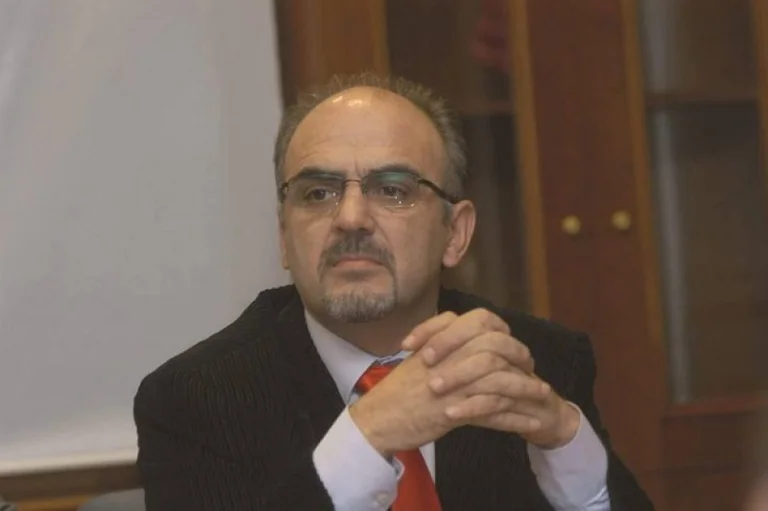
(5 years ago)Pristina University professor “Hasan Pristina”, Fadil Maloku, has made a column in his blog in which he writes about the possibility of reaching compromise with Serbia and interparty consensus in Kosovo on the issue. Maloku makes a series of claims unbacked from the multiethnic character of the state of Kosovo to the damage that [...]
Maloku makes a series of claims unbacked from the multiethnic character of the state of Kosovo to the damage the pandemic has caused.
He says Kosovo cannot be called <x0-multical” because 95 per cent of it consists of Albanians. In fact, the multi-ethnicity of a society is not determined by the number of residents belonging to so-called ethnicity.
Also, Maloku claims that “hundreds of thousands of small and medium-sized businesses” in Kosovo have been banked as a result of Covid-19.
In fact, Kosovo's number of businesses in Kosovo is very far from the six-sciential one hundred thousand.
Even this scripture is marked by terrifying syntax and spelling mistakes that indicate the great liquefiation of the University of Pristina.
The basic idea of this scripture coming from the title is that additional “compromise in exchange for recognition with Serbia” does not need Kosovo. However, Maloch does not tire of arguing about this attitude.
Full and unread text:
An additional “compromis” in exchange for recognition with Serbia, sʹna is absolutely needed
Just 13, 2021
Fadil Maloku
- Any “compromis” add competition to the Kosovar side in relation to Serbia, will sink Kosovo's statehood!” Kosovo with legal jurisdiction has been declared (see paradox!) multiethnic state, although in real life Kosovo multiethnicity with 95% Albanian and 5% other ethnic groups is a banal improvisement ... because multiethnic states in the Balkan region can only stand out Bosnia and Macedonia. Also, the intentional non-integration of Serbs into the system is a topic in itself, beginning with Serbia's chaptering in 1999. Meanwhile, the blame for this frozen status of Kosovo Serbs must be both Kosovo governments and Serbia, and especially that of Brussels. We say in Kosovo, because no post-war government has, it offers: no projects, no ideas, no strategies to lure and accommodate local Serbs into the new value system. We say in Serbia, because Serbia has always manipulated the Kosovo Serb population for its own political purposes. We say to international mechanisms and institutions, because even those more have been neglected in finding solutions for Kosovo Serbs, especially Brussels, not as much of Washington, who were most interested in making “pasarin” of Serb integration, in relation to Serbia
- Of course, in all of this projection, or field of debate, and undoubtedly even conflict with Serbia, it should be given that local Serbs in law language have many privileges. Well, when the idea of” protection” is prejudged through super privileges (what they really are with the Constitution), then it becomes a serious obstacle to regulating other social reports. At today's international level, there are initiatives and various models which are in competitive reports, but for protection of remote minorities have gone to Western countries, while Eastern and Southeast Europe are still in the form of legislation for national minority grouping”. Meanwhile, that dialogue is heading towards the final, there is still no consensus among political parties in Pristina. The simple question is raised; why is it so difficult to reach this inner consensus? The reasons are different. From haughtiness to self - gratification and interpersonial and interparty seismism of political acts. Serbia, as we all know it's been asking for an internal national consensus, about “final talks to Kosovo, and our government with some pan-European paradigma, do you think it would easily resist all diplomatic machinery and unique national and church consensus? The only salvation of the Kosovo side is the strategic interests of friends... Serbia, as we all know it's been searching for an internal national consensus, about “final talks to Kosovo, and our government with some pan-European paradigma, do you think it would easily resist all diplomatic machinery and unique national and church consensus? The only salvation of the Kosovo side is the strategic interests of friends... Who, thanks to technical assistance and advice, can keep the dialogue. Otherwise, in the Balkans, even troubled in the future, other options are expected to be opened -- apart from that of “compromnis” painfully, which at the very moment -- though not that of the soil union. But for this option this generation of politicians, I think it's not ready, but it's biased with different prejudiced stigmas. And in a prejudgmental and stigmatic structure, it's a difficult collusion of “maintenance <x10).
- In the meantime, current governance with the country also burdens increased unemployment and extreme poverty, which the 19th and “helped <x1nd> extremely (with the firing of 100,000 jobs and the bankrolling of hundreds of thousands of small and medium-sized businesses) with its threatening hysteria not only health but also social. On the other hand, we have increased frustration of young people. Who at the time of revolution and technological communication today is hard to keep in collective prison, because, they want better lives, better education, jobs and prosperity from different backgrounds... they just want to enjoy the welfare of themselves and their family. The fact and act of wanting to leave Kosovo (a recent study shows that over 48% of Kosovo's young people if they were given a chance to work somewhere in Europe, they would leave the country without any speculation...