39 minutes ago
OV does not vaccinate citizens against COVIDD-19 during holidays and weekends
Periskopi(5 years ago)
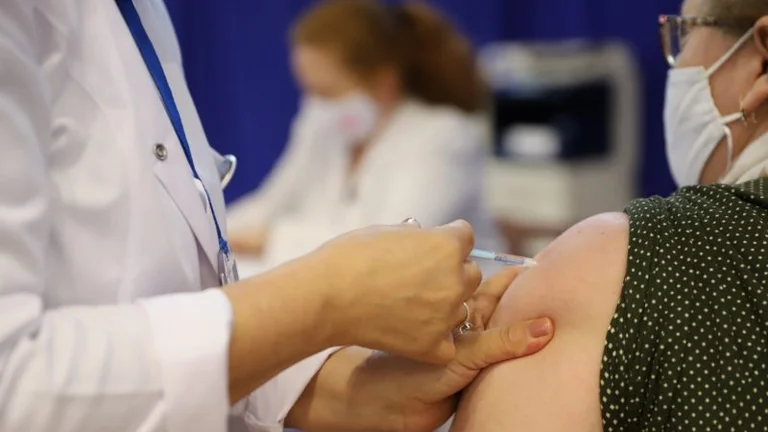
(5 years ago)Calm, unspoiled was the courtyard and center of anti - vaccine COVID-19 in October “1th October” in Pristina. The vaccine teams, except for the holidays, are resting on weekends. With few civil movements were the streets of the capital, Tuesday morning. During Monday, the Ministry of Health, through an announcement, has shown that [...]
With few civil movements were the streets of the capital, Tuesday morning.
During Monday, the Ministry of Health, through an announcement, has shown that citizens who have had the term for vaccination this Tuesday can be isolated on Wednesday.
This, because of Bajram's holiday, while this minister has called on all citizens to appoint the terms for taking the vaccine against COVID-19.
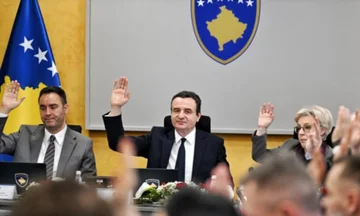
On the other hand, promoting mass vaccine, with only about 200 thousand people vaccinated, did not stop even during the holiday day from institutional leaders. Kosovo Prime Minister Albin Kurti has said that thanks to the work of health institutions, which have managed to provide mass inoculation, the situation in Kosovo is calmer and the measures are relaxed.
In Kosovo this year, we are calmer than in the past year and the measures have been relaxed, thanks to the work of health institutions that have provided massive population vaccines, the process that is under way. So, Kurban Bajram can be celebrated as is tradition, family and friends, but still, to maintain hygiene and social distance, because there are places in the world where the pandemic is returning”, Kurti said.
While the call for vaccination has also made the National Institute of Public Health by means of a Facebook post, where citizens have enjoyed the holiday, and Health Minister Arben Vitita.
This institute Monday evening has answered about 30 questions, which they say have been receiving about the vaccine in Kosovo, and who can be vaccinated.
According to the IKSHPK, if citizens are not vaccinated, then new cases of variant Delta may increase, and vaccines have shown an efficiency of up to 60% to this option, which can also restore restrictions as a result of a health system overload.