 4 hours ago
Biden administration aims to change sanctions policy
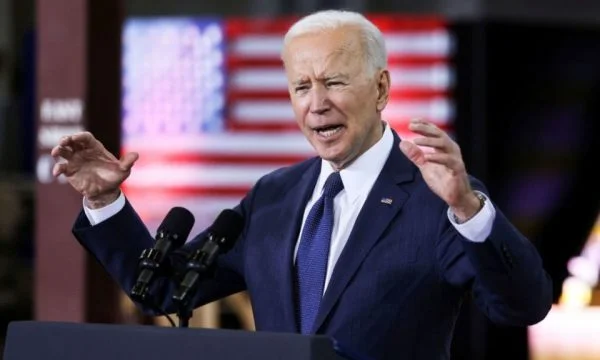
Periskopi(5 years ago)
(5 years ago)The president of the United States, Joe Biden, is seeing the possibility of abolishing the sanctions policy, which has been used extensively as a tool of foreign policy by his predecessor, the Wall Street Journal reported. The Biden Administration is considering the possibility of working more closely with the Allies and avoiding measures that might affect [...]
The Biden administration is considering the possibility of working more closely with the Allies and avoiding measures that could have a negative impact beyond target limits, the Wall Street Journal reported.
This new American administration policy is expected to be introduced at the end of this summer, following the administration's review, the paper said, citing unidentified officials.
This policy of the Biden administration will likely present a radical change from that of Donald Trump's preliminary administration, where economic sanctions were imposed on countries like Iran, North Korea and Venezuela, aiming to change the behaviour of these states.
While unilateral sanctions from Trump cause Venezuela and Irain economies to enter recession and for North Korea to be taken out of international markets, these measures did not greatly impact the conduct of these states, raising questions about the efficiency of sanctions, the American newspaper said.
Meanwhile, the Biden administration wants to co-ordinate sanctions with the Allies, saying that this will help their greater implementation, thus increasing the impact of sanctions. Critics say it will take a long time to reach consensus with Allies on such issues, and this could lead the US to compromise, which could hurt national security.
Warning to change this policy comes at a time when the Biden administration is facing pressure from Congress to impose more sanctions in order to halt the Russian gas pipeline project “North Stream 2”.
This project if completed and operated would send natural gas from Russia to Germany, via the Baltic Sea, thus avoiding the route through Ukraine.
Republicans and Democrats in Congress say this pipeline would strengthen the Kremlin's influence over the energy industry in Europe and threaten Ukraine's national security.











