 2 hours ago
What is the bacteria identified in samples taken from water in Decan?
Periskopi(5 years ago)
(5 years ago)Added value of koliform bacteria and Escherichia coli bacteria has been identified in water samples taken from the water supply in the Decani Community, where about 2 thousand people have been poisoned. The poisoning of these citizens may have come from contaminated drinking water, and the presence of Escherichia coli has been identified. But what [...]
Added value of koliform bacteria and Escherichia coli bacteria has been identified in water samples taken from the water supply in the Decani Community, where about 2 thousand people have been poisoned.
The poisoning of these citizens may have come from contaminated drinking water, and the presence of Escherichia coli has been identified.
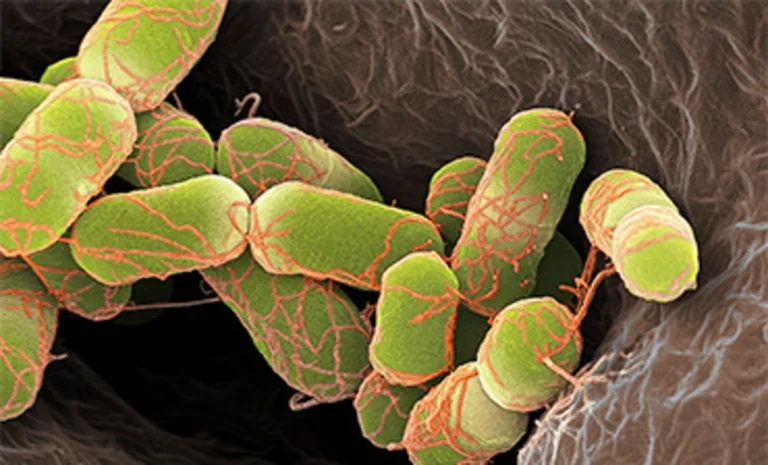
But what do we need to know about E.col, and how dangerous can this bacteria be?
This bacterium is transmitted primarily to people through the consumption of foods that are contaminated, such as raw or uninhibited meat products, raw milk, and raw and contaminated vegetables.
E. Cole can also be found in water, mainly in sewage.
Waste can enter the water by various means, including the overflow of sewage, inadequate sewage systems, agricultural flows, waste dumps.
Many species of this bacteria are described as harmless by the World Health Organization.
Although some types of E.coli are said to cause serious food - borne diseases.
Water consumption or contact contaminated water with hot - blooded animal dung can also cause a number of diseases.
You can see from these symptoms that you are poisoned with the E.col bacteria.
Although most bacteria are harmless, there are also those who can cause serious illness.
The most frequent symptoms from E.col are stomach pain, diarrhea, temperature, and vomiting.
According to the World Health Organization, most patients heal within 10 days, but in a small part of patients (particularly young and old), infection can lead to a life - threatening disease, such as the uranium syndrome (HUS). HUS is characterized by acute renificial, hemotic anemia and thrombocitopeni (low blood cells).
Less common symptoms include vomiting and low temperatures. Most healthy adults recover from a total infection after about a week.
The symptoms of the infected usually appear within 2 to 4 days, but they can last up to 8 days.
Many of the poisons can be healed without antibiotics or any specific treatment.
People are preferred to boil drinking water and then allow water to cool off before using or preserving it in a clean container, closed for later use











