3 hours ago
Scientists shake people: Discovering the new human species, close enough
Periskopi(5 years ago)
(5 years ago)A new species of ancient man called Homo longitude, or “Dragon Man”, can potentially change the way we understand human evolution, scientists have said. This discovery comes after a skull known as the Harunium, found decades ago, was recently studied. “Dragon Man” can [...]
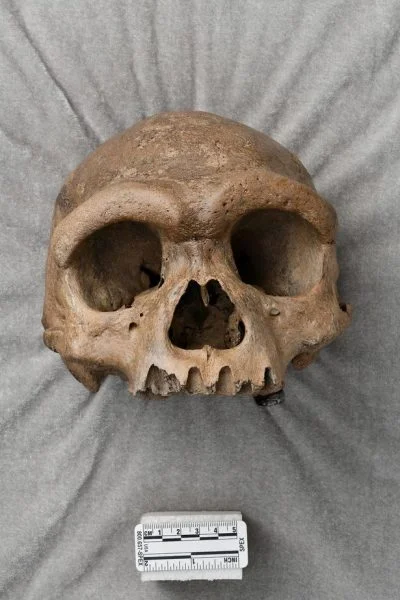
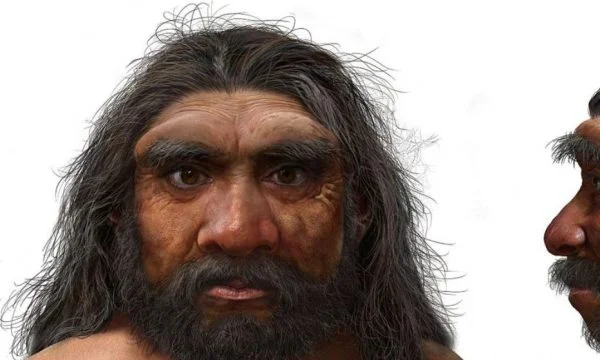
A new species of ancient man called Homo longitude, or “Dragon Man”, can potentially change the way we understand human evolution, scientists have said. This discovery comes after a skull known as the Harunium, found decades ago, was recently studied.
The Dragon Man” can replace Neanderthals as closest to our species, Homo sapiens.
Junny Ge, a member of the team working on the study, said they were “fairly safe” that the skull was more than 146,000 years old.
Exciting research was published on Friday as three separate works in The Innovation magazine.

Speaking of the Associated Press, Xijun Nii, a professor at Hebei GEO University and author of two works, said: It is widely believed that Neanderthal belongs to an extinct origin that is the closest of our species. However, our discovery suggests that our new background, which includes Homolong, is the current group of Homo sapiens.
The newly studied skull of “Dragon Man” is about 9cm long and more than 6cm wide, large enough to hold a brain similar to that of a modern man.
Scientists and researchers believe she belonged to a 50-year-old male. According to the study, the ancient cranium is believed to have been discovered in 1933 when a bridge was built over the Songhua River in Harbin City. Its long story is said to be the reason why accurate information about his discovery was lost.