 3 hours ago
Pentagon chief warns of danger of Al Qaeda and I SIS in Afghanistan
Periskopi(5 years ago)
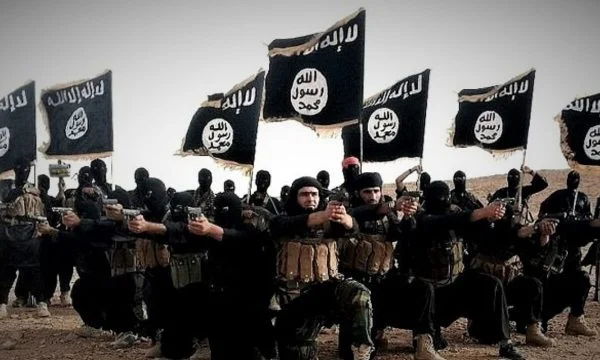
(5 years ago)Senior American defence officials are giving a disturbing warning about the danger that major terrorist groups in Afghanistan will present to America once the last American and coalition troops leave the country in the coming months. Defence Secretary Lloyd Austin told lawmakers Thursday that groups like [...]
Defence Secretary Lloyd Austin told lawmakers Thursday that groups such as al-Qaeda or Islamic State would need “maybe about two years” to regenerate their capabilities to plan attacks against the United States and Western allies.
The head of the U.S. government, Army General Mark Milley, warned further that this deadline could be narrowed depending on the fate of the current Afghan government.
“If there were a government collapse or a break-up of Afghan security forces, this risk would undoubtedly increase,” said General Milley.
US President Joe Biden announced in April the decision to withdraw all remaining American troops from Afghanistan, arguing that the United States has already achieved its original goal of holding al-Qaeda and its leader Osama bin Laden responsible for the 11 September 2001 terrorist attacks at the World Trade Centre in New York and the Pentagon.
“We gave bin Laden what was due him,” President Biden said in a speech at a joint session of Congress. “We reduced the threat of al-Qaeda terror in Afghanistan... after 20 years of bravery and bold sacrifice, it is time to bring our troops home”, the president said.
But concerns about the potential for al-Qaeda and the Islamic State in Afghanistan to return to the absence of American troops on the ground have continued.
American army and intelligence officials have repeatedly warned of a possible domino effect that could destabilise not only Afghanistan but also its neighbours, giving terrorist groups the long-awaited opportunity to strengthen and expand their operations.
Whenever we see a considerable presence of terror, there is danger that it becomes a kind of platform to threaten our country,” told lawmakers last week Christine Abizaid, appointed to lead the American National Anti-Terror Centre, noting the need to make a ruthless “ <x2x3> to groups like al-Qaeda and IS to minimize the risk.
A recent assessment by UN member states has also raised concern, warning that Taliban rebels in Afghanistan appear willing to tear down the current Afghan government by force if the negotiations fail to yield favourable results.
Officials at the White House and at the Pentagon have sought to assure the public that the United States has the ability to fight a possible resurface of al-Qaeda and IS, through long-range missile attacks, whether from American bases or from aircraft carriers in the Middle East.
“We will still have the air capacity to go after al-Qaeda and I SIS if these targets appear and we have to eliminate”, General Kenneth “Frank told US Voice this week. McKenzie, commander of American Central Command.
However, McKenzie warned that the “continued pressure against terrorism, direct pressure”, has prevented the group “from returning and expanding the number of fighters”.
Even though U.S. troops' withdrawal has already been realised more than 50%, plans for what the ability for air strikes “vorizont” will look like is not very clear.
The time is approaching, with American troops and coalition troops likely out of Afghanistan well ahead of September's deadline set by President Biden.











