 5 hours ago
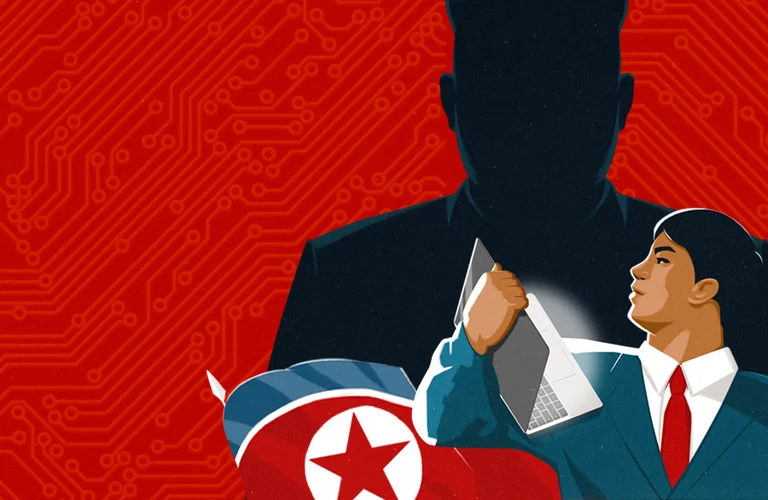
Since North Korea in extreme poverty became so powerful on the Internet? That's how they almost stole $1 billion.
Periskopi(5 years ago)
(5 years ago)In 2016, hackers from North Korea planned the theft of $1 billion from the national bank in Bangladesh, and nearly by chance the transfer of this money came to a halt (in addition to the 81 million already stolen). How, though, did one of the most isolated countries and the fucath [...]
It all started with a printer that wasn't working. It's just part of modern life, and that's why when it happened to staff at the Bank of Bangladesh, they thought the same thing that most of us think: new days, new minds with technology. It didn't look great.
But it wasn't about any printer and it wasn't any bank.
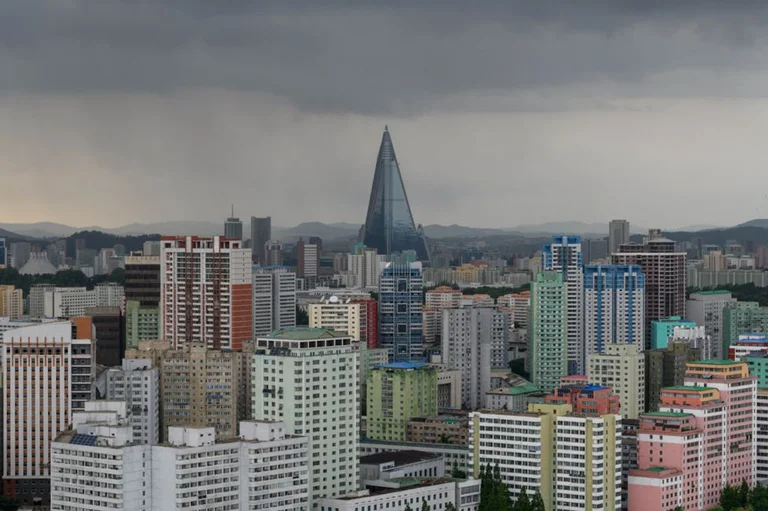
The Bangladesh Bank is the country's central bank, responsible for overseeing the treasury reserves of a country where millions live in poverty, the BBC writes, translates Periscopi.
And the printer played a very important role. It was located inside the room with high security on the tenth floor of the bank's main building in Dacha, the capital. His job was to run multi-million transfer records running into the bank.
When the staff found out it was not working, at 8: 00 a.m. on Friday, February 5, 2016, they said they thought it was the usual <x0... problem like any other day. ”
“Things happened earlier,” said manager Zubair Bin Huda before the police.
In fact, this was the first tale that the Bangladesh Bank was in very big trouble. The hackers were on her computer network, and right then they were carrying out the most horrible cyberattack ever experienced. Their goal - to steal billions of dollars.
To get the money, the gang had used fake bank accounts, charities, casinos and a wide network of co-workers.
But who were these hackers, and where were they from?
According to digital trace investigators they were from the North Korean government.
For North Korea to be the prime suspect in such a cybercrime case for someone could be a surprise. This is one of the poorest countries in the world, and almost entirely connected by the global community technology, economically and in almost any other form.
Yet, according to the FBI, retaliation at the Bangladesh Bank was the culmination of methodical preparations for years by a secret team of hackers and a middleman in Asia, operating with the support of the North Korean regime.
In the cyber security industry, North Korean hackers are known as the Lazarus Group, a reference to a Bible figure from the dead.

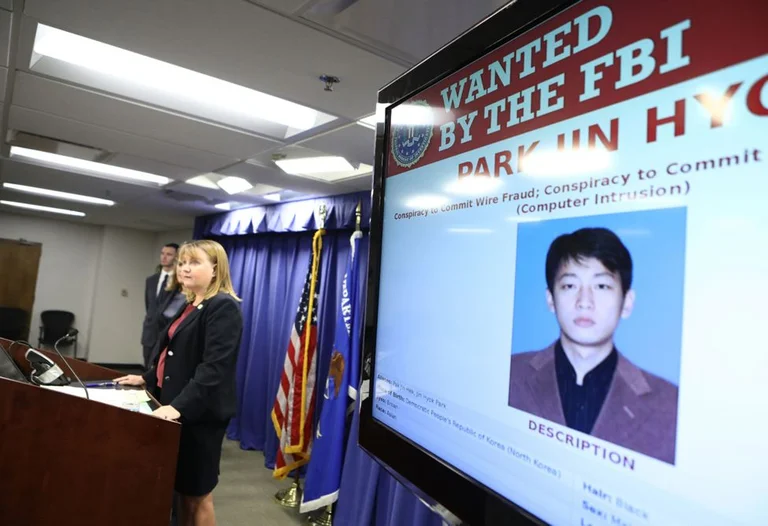
Few things are known about this group, although the FBI identified one of them whose name is the following: Park Jin-hyok.
The FBI describes him as a computer programmer who graduated from one of the best universities in the U.S. and has been working at a North Korean company called Chosun Expo, a Chinese coastal town in Dalia.
In June 2018, American authorities accused Park of conspiracy, fraud, and abuse.
But, Park if that's his real name, it's among the thousands of talented North Koreans in math that are being used as hackers.
When the bank staff in Bangladesh revived the printer, they received very bad news. Emergency messages were launched from the Federal Reserve Bank in New York where Bangladesh holds the US dollar account. This bank had received instructions from the Bangladesh Bank to empty the account weighing close to a billion dollars.
The Bangladeshans tried to contact the bank in New York to show them it wasn't them, but hackers had seen it and it couldn't be done.
The hackers launched their attack at 8:00 p.m. on February 4 when New York was morning and in Bangladesh the night drop. This gave them the opportunity to meet many requests through Americans.
Tomorrow was a weekend in Bangladesh.
https://www.bc.com/news/05ries-57520169











