 5 hours ago
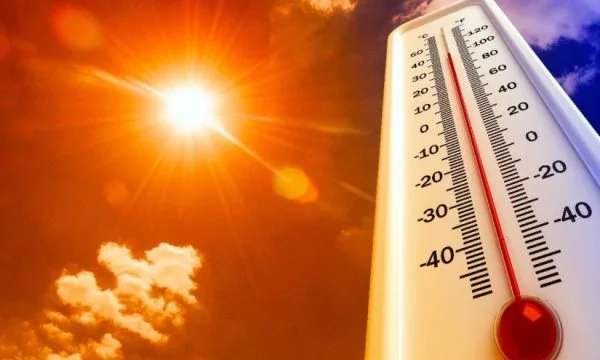
The information you need to know about the heat wave that many countries are recording
Periskopi(5 years ago)
(5 years ago)Numerous states are facing a wave of heat. High temperatures are reported to be recorded in the coming months. But what causes the heat wave? The heat wave is caused by the atmospheric conditions called the heat machine. In short, the heat dome forms when high pressure in the upper atmosphere [...]
But what causes the heat wave?
The heat wave is caused by the atmospheric conditions called the heat machine. In short, the heat dome is formed when high pressure in the upper atmosphere creates a type of shield that prevents hot air from coming up. As the air draws closer to the Earth, it is getting shorter and warmer. So too are clouds and storms blocked that could bring refreshment or obstruction of the sun's scorching rays. This heat dome also creates intense heat waves because of the creation of a dangerous cycle.
Climate scientist at Texas University, Katharine Hayhoe, says that the higher temperatures, the more dangerous the heat cup becomes and vice versa. The wave may last from three to seven days, but there are times when it lasts longer and that is the problem.
June of Records:
The June top record for the state of Washington is 45 degrees and this record is expected to be broken again. The scientist says that this wave is dangerous, especially for communities not accustomed to this kind of heat, and this year's waves may be much different than any previous wave: And if you don't have an air conditioner, it'll be more difficult, the body feels exhausted, the need to stay hydrated is worth more than any other time, broadcast Tiranapost.
The heat wave is also a threat to fires. And with climate change getting more and more, everywhere.
The moisture on earth can soften the effects of heat, just as the body can with sweat, which then cools it. But with climate change, and therefore with so little water on Earth, in water roads and vegetation, there is not much to absorb heat except air itself.
Climate change caused by greenhouse gas from burning fossil fuels is intended to make heat waves longer, more intense, and more frequent.
Researchers who analyze past events have already found that people share much of the blame after contributing to climate change. The heat wave of summer 2019 claimed 2,500 lives in Western Europe. Climate change made heat five times more likely than when these changes hadn't occurred. And ocean heat waves have become 20 times more likely than average temperatures. The 2020 heat wave in Siberia was 600 times more likely because of climate change.
The mechanism is simple:
The fossil fuels add greenhouse gas to the atmosphere, which blocks more heat energy and increases average temperatures, which, in turn, also increases extreme temperatures.
However, the heat is not distributed equally.
Night temperatures are rising faster than day temperatures.
In general, since records began in 1895, during the summer low temperatures are heating at almost twice as fast as afternoon temperatures for the United States. This can seriously harm people about how to deal with this hot wave”.
Air pollution also worsens as rising temperatures increase the level of risk formation like ozone. Such infections on the other hand exacerbate heart and lung problems.
Humor:
In addition to heat, another important factor in taking human health into account is moisture. The amount of moisture in the air affects how much sweat can evaporate from the body. In some parts of the world, such as the U.S. in the southwest, heat waves have dried up. But in other regions, such as the Persian Gulf and South Asia, the highest temperatures increase humidity. The human body has been adapted to cope with the minimum temperature of 35, what would happen if the excess humidity caused the temperature to drop? Surely it means a danger to life!
Our time for action is running out!
All of this means that heat waves will become an increasingly sensitive and costly fact of life worldwide from direct health impacts to infrastructure.
But since people share a considerable part of the blame for extreme heat waves, there are also actions that people can take to soften them. Increasing energy efficiency can ease the energy network, while increasing energy sources that do not require active cooling like the wind and the sun can increase capacity without increasing greenhouse gas emissions.
Improving the extent of public health and ensuring more cooling resources and education, especially in the most endangered neighborhoods, can reduce some of the worst human effects.
The subx0> essentially all heat waves damage, at least in health, are preventable if we warn people effectively and simply help our neighbors during an event like this”.
Mankind must curb its production of heat - catching gases and destroy our planet! It may take years or decades for these reductions to appear in the climate system, but they must begin now!











