 5 hours ago
Deprived of menstruation, Indian women isolate themselves in period huts
Periskopi(5 years ago)
(5 years ago)In some tribes in India, there is a strange rule that women with menstruation should be isolated in special huts in their difficult days of the month. “Cals of period” where thousands of tribal women and girls are being expelled during menstruation in the western Indian state of Maharashtra are being restored. A Mumbai-based charity association, [...]
“Cals of period” where thousands of tribal women and girls are being expelled during menstruation in the western Indian state of Maharashtra are being restored.
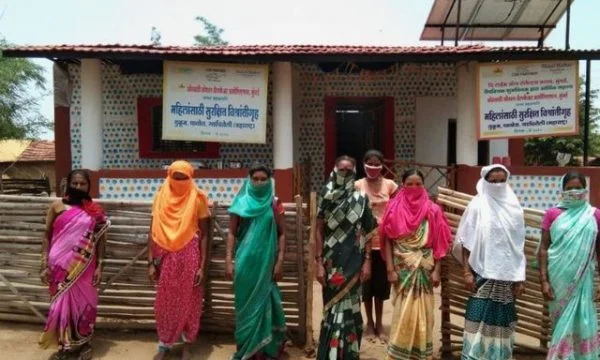
A Mumbai-based charity association, the Association of Social Health Kherwadi, is replacing the predominantly broken huts, known as ghar, or Gaokorı, with modern beds, interior toilets, running water and solar panels for electricity, reports the BBC.
Centered on attention is the need to combat stigma related to what is a natural bodily function. Critics say a better strategy would be to get rid of all the period huts. But activists say that huts offer women a safe place to go if period tourism continues.
In India the period has long been a taboo, with women with menstruation considered unclean and forced to live under severe restrictions. They are forbidden social and religious function and are forbidden access to temples, shrines, and even kitchens.
But the exception that women of the Gond and Madia tribes face in Gadchirol, one of India's poorest and most underdeveloped circles, is extreme.
Their traditional beliefs imply that they must spend five days, each month in a hut, located mainly in the suburbs of the forest's village. Women are not allowed to cook or obtain water from the village and should depend on food and water that local residents offer.
If a person touches them, he should bathe immediately because he too becomes the unclean “of the society”.
After fixing period huts, women of Tucum village, where the first modern period booth was built last year, say that the life of 90 women and girls with menstruation in their village has already become easier.
Surekha Halami said that she feared that if she challenged the tradition, she would face the wrath of the gods and become sick.
My uncle and mother went to kurma ghar, I go there every month and one day I'll send my daughter there,” she said.
Chendu Uskin, an elder in the village, told the BBC that tradition could not be changed because “is decreed by our gods”.











