4 hours ago
Serwer: Serbia may be indicted for genocide in Kosovo, but don't know how that can happen
Periskopi(5 years ago)
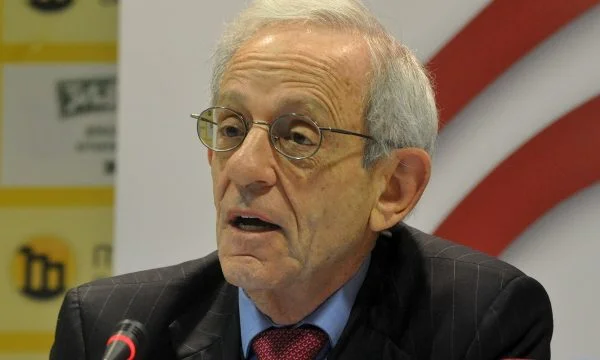
(5 years ago)American professor at Johns Hopkins University and Balkan expert Daniel Serwer has stated that the fact that the genocide court was not presented to the International Criminal Tribunal in The Hague for the former Yugoslavia in connection with crimes in Kosovo does not mean that the Serbian state cannot be indicted for genocide before the International Court of [...]
American professor at Johns Hopkins University and Balkan expert Daniel Serwer has stated that the fact that the genocide trial was not presented to the International Criminal Tribunal in The Hague for the former Yugoslavia in connection with crimes in Kosovo does not mean that the Serbian state cannot be indicted for genocide before the International Court of Justice.
However, he indicated that he does not know how this can happen, because Kosovo is not a member of the United Nations and is not among the states from the International Court of Justice statute.
Serwer says warning of a recent Kosovo indictment against Serbia of genocide would trigger criticism from Belgrade and make dialogue more difficult and would not face the approval of Brussels and Washington.
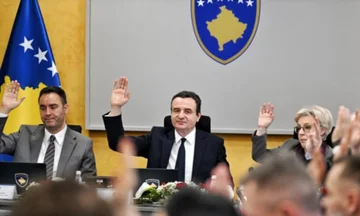
The Kosovo government, led by Prime Minister Albin Kurti, prepared for the establishment of a lawsuit against Serbia, has also introduced it as part of its four-year programme (2021-2025) at a Government session last Friday.
Maybe something like that is delayed é is not clear to me how Kosovo, a country that is not among the countries at the International Court of Justice, has access to that judicial institution. The Kosovo authorities' announcement will certainly have a political effect on Kosovo, Serbia and the international community”, Serwer stressed in a response to the Voice of America [the Serbian language edition].
Serwer said that crimes against humanity, as well as war crimes, are very serious criminal acts.
“I am not a lawyer, therefore I cannot interpret this issue in the judicial sense, but I don't think that the genocide court wasn't presented to the International Criminal Tribunal for the former Yugoslavia for crimes in Kosovo does not mean that the Serbian state cannot be indicted for genocide before the International Court of Justice”, Serwer said, stating that he is not sure in what quality Kosovo can address him as a judicial institution.
He said the question here is whether the works were carried out deliberately or in part of a national, ethnic, racial, or religious group.
But, as I have already said, it is unclear for me whether Kosovo can address the International Court of Justice, because it is not a member of the United Nations and is not among the states from the statute of the International Court of Justice”, the potential Serwer
At the same time, Kosovo and Serbia are waiting to resume negotiations between the two sides for normalisation of relations, launched in 2011.
Ten-year talks were forwarded with variable results, frequent interruptions of dialogue and failure to implement the agreements reached. Currently, such a case is again after early parliamentary elections in Kosovo and the election of Vetevendosje Movement leader Albin Kurti, as prime minister, broadcasts Telegrafi.
It has been warned that a new round of talks, brokered by the European Union, will be held at the end of June, and will take part by key negotiators alpin Kurti and Aleksandar Vuciq.
Professor Server notes that dialogue between the two sides has already slowed greatly.
Serbia's “President Vuciq has made it clear that he is not ready to recognise Kosovo before the upcoming presidential elections in the spring of next year. Then what might be the incentive for Kosovo to rush with dialogue?”, Serwer asks.
At the same time, he notes that it is early to speculate about possible political consequences for Kosovo officials the initiative's epilogue about the indictment against Serbia.
“Meth to see if the International Court of Justice will consider the proposal at all”, Cerwer told him.