 3 hours ago
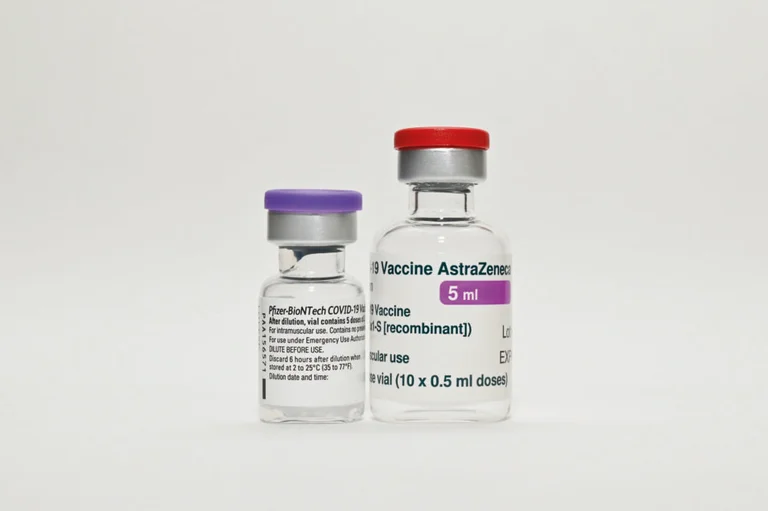
Pfizer and AstraZeneca result very effective against the COVID-19 Indian variant
Periskopi(5 years ago)
(5 years ago)Vaccinations developed by Pfizer/ B ONTech and AstraZeneca according to a new study, results to be very effective against the COVID-19 Indian variant. Public health in England (PHE) said this Sunday that Pfizer vaccine was 88 per cent effective against symptoms from the Indian version ʹ called B.1,617.2 Two weeks after the dosage of [...]
Public health in England (PHE) said this Sunday that Pfizer vaccine was 88 per cent effective against symptoms from the Indian version ʹ called B.1,617.2 Two weeks after the second dosage, writes Euronews, broadcasts the clancosova.
While Oxford vaccine AstraZeneca had an efficiency rate of 60 per cent.
Both of these levels are at the same level as protection provided by vaccines against the British version, known as B.1.1.7, the PHE said.
According to the study, the difference in effectiveness between two doses “can be explained by the fact that the spread of AstraZeneca's second doses was later than for Pfizer vaccine - BioNTech, and other data on antibodies profiles show it takes more time to achieve maximum efficiency with the AstraZeneca” vaccine.
The PHE expects that the effectiveness of two vaccines against hospital and death due to contracting the Indian variant should be higher.
However, both vaccines were found to be slightly less effective against symptoms from the Indian version (33 per cent) than the British (50 per cent) three weeks after just one dose.
The study included 1,000 and 054 confirmed people through the genome sequences that had contracted the version B.1.617.2 between early April and mid-May.
The B.1.617 variation, which was first discovered in India in October, has since spread to more than 50 countries in the world.
While a <x0vanian concern” has been named from the World Health Organization for fear it may be more transmitted and resistant to treatment.
The United Kingdom is the European country that has reported most of the cases, with more than 3 thousand and 850 surveyed infections by May 19th -- a 160 per cent increase last week.











