13 minutes ago
For and for forgiveness of pandemic punishments
Periskopi(5 years ago)
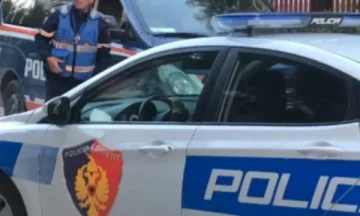
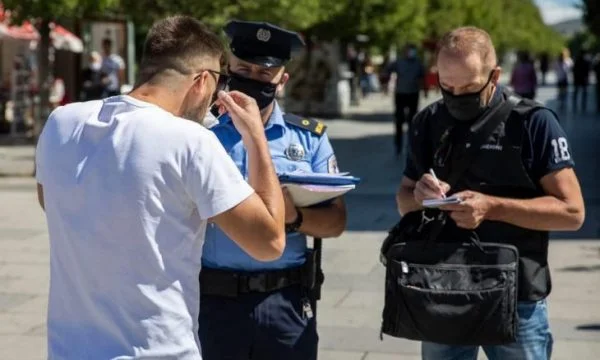
(5 years ago)Since 26 August last year and 24 May of this year, Kosovo Police have imposed over 202 thousand fines against citizens who have violated measures against COVID-19. The forgiveness of these sentences is intended to be carried out through a petition, which some 4 thousand [...] have signed in a week.
The pardoning of these sentences is intended to be carried out through a petition, which some 4 thousand citizens signed in various cities of Kosovo in a week. Such an initiative, to be sent for treatment in the Kosovo Assembly, should have at least 10,000 signatures.
Nol Niushi from the Social Democratic Party (PSD), the party that has launched this petition, told Radio Free Europe that the Bill for the forgiveness of penal measures imposed during the period of COVID-1950, is aimed at pardoning debts only for certain categories, but not for political parties as well.
“Forgiveness includes citizens' debts as physical persons, debts of small and medium-sized businesses. We have ruled out political parties out of forgiveness, those parties that have made health catastrophes during the recent election campaign, and even big businesses we have removed from the possibility of pardoning debts”, Nushi said.
He said that by means of this bill, it is estimated that citizens who have already paid the fines will be returned to the money.
There are about 200 thousand fines and most of them are unpaid, but citizens are being forced and conditioned to register cars to pay all the fines, while we have an economic crisis. There is no government aid, no vaccine, no sense to charge citizens even with fines”, Nushi said.
He said the government, which, according to him, has not respected the measures itself, should be aware that citizens cannot be conscious only through fines.
In Albania, citizens have been pardoned fines pronounced from April 17th, 2020 until October 7th, 2020.
The Effect of Forgiving the Rewards
Ehat Miftaraj from the Kosovo Institute for Justice (IKD) told Radio Free Europe that Kosovo institutions have not treated all Kosovo citizens equally and fairly.
In terms of human rights, Miftaraj said, forgiveness would be welcome.
The pardoning of these fines would certainly have effect, at least in restoring justice for those citizens who have been subject to these fines”, Miftaraj said.
According to him, however, forgiving these fines would have a negative effect on the management of the coronary pandemic.
“in terms of prevention of pandemic or message sent to citizens who may then not respect these measures, we can say it is an early initiative, without completing pandemic or vaccinating at least 60 or 70 percent of the population”, Mifttaraj said.
Divided in the forgiveness of these fines are citizens surveyed by Radio Free Europe in Pristina, Mirsad Krasniqi and Shyrete Glog.
“
“Y have to be forgiven, because people need to come out, maybe some even unjustly were fined, as well as material conditions and people have not seen them pay”, Glog said.
According to Kosovo Police data, from 26 August last year to 24 May of this year, mostly fines have been pronounced in Pristina -- a total of 52,577 fines, having been given by Prizren, Peja and Ferizaj.
Since mid-March 2020 and so far, over 2,240 patients from COVID-19 have died in Kosovo.