a few seconds ago
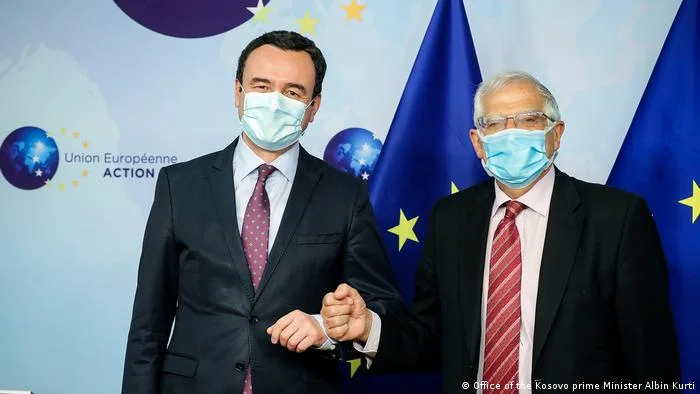
Borrell: Albin Kurti asked me for time to prepare for dialogue, continue when he is ready
Periskopi(5 years ago)
(5 years ago)For the first time in two years, the Western Balkans were on Monday, 10,05.2021, on the agenda of the EU Council on Foreign Affairs. For the EU's top charge on external and security issues, Josep Borrell, and many of his colleagues from member states, the criticism of this fact is fair: Because [...]
Because the Western Balkans is a key region of geostrategic importance in Europe and for Europe”, the 74-year-old politician argued at the Brussels press conference. The “will not wait two years, not even two months until we return the Western Balkans to the EU agenda”, he promised.
The list of problems related to the Western Balkans is not small: enlargement, related to the opening of the first intergovernmental conferences with Northern Macedonia and Albania, but continued negotiations with Serbia-Montenegro, and unresolved interethnic issues in Bosnia and Herzegovina and Kosovo-Serbia dialogue.
The ministers reaffirmed their pledge for the European perspective of these countries once again, as Borrell said. They pledged they would commit to opening the first intergovernmental conference with Northern Macedonia and Albania as soon as possible.
But Borrell did not deny that he is concerned about the current disputes between Bulgaria and North Macedonia. “We encourage these two countries to quickly find a solution to their” conflict.
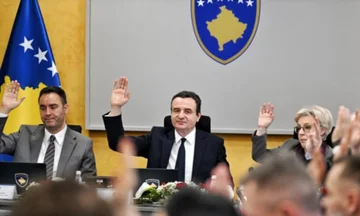
Borrell stressed once again the necessity of visa liberalisation for Kosovo and explained that the Serbia-Kosovo dialogue will continue when the Kosovo side is ready, which has taken time to prepare.
Contrary to what was previously warned in the media, Borrell said there are no plans to separate North Macedonia from Albania. Earlier, Enlargement Commissioner Oliver Varhely had indicated the possibility of opening the first intergovernmental conference with Albania, since Bulgaria is currently blocking the start of negotiations with Northern Macedonia.
Even German Foreign Affairs Minister Heiko Maas had earlier rejected the idea of dividing Albania from Northern Macedonia. The German deputy of Bundestag, Renata Alt, the liberals, was also tried against the two countries' secession and warned Albania not to appear before northern Macedonia.
The North Macedonia issue will be on the agenda of European ministers on Tuesday, at 11.05.21. Prior to his departure in Brussels, German European Minister Michael Roth said the two countries have met the conditions for opening intergovernmental conferences and that they need to start as soon as possible.
The return of the Western Balkans to the EU foreign ministers' agenda comes after complaints by some Western Balkan leaders for delayed assistance.
While alluding to other countries' diplomacy through the vaccine, Borrell recalled that EU vaccines in the Western Balkans are gifts, not on pay, and not conditional.
The European Union has promised the Western Balkans by the end of June through the Covax initiative so far, 185 340 vaccines. Much of it has already arrived in the region.
Next week (18.05.21) Western Balkan leaders are invited to go to Brussels for an informal dinner to exchange their opinions about current developments in the region. Borrell said he expects member states to come up with new proposals to make the EU's political commitment to the region more evident.
A series of foreign ministers of member states, such as Sweden, Ann Linde, Estonian, Eva-Maria Liimets, or Slovak, were expressed from the start of the meeting on the particular importance of the region. “We should have strategic care for the” region, Korqok said. “Unfortunately, over the past ten years, we have been focused on expansion. This is a very good thing, he said, but we should not lose attention in technicalities, and forget the hearts of people from the Western Balkans who see their future in the EU.” / DW