4 hours ago
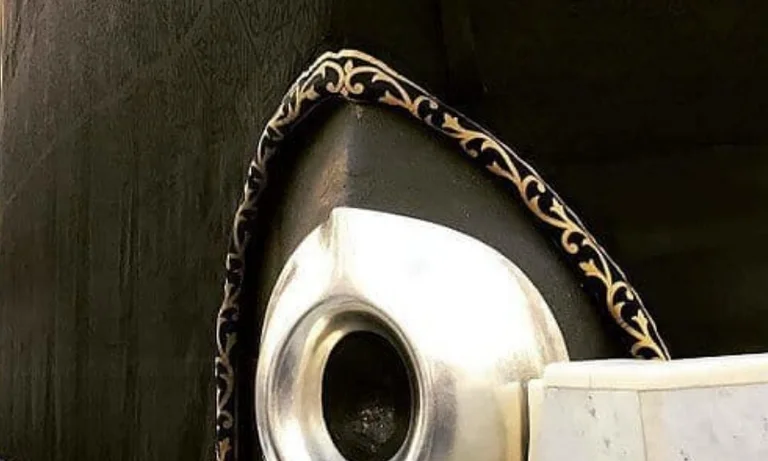
The Black Stone of Mecca, as you've never seen before
Periskopi(5 years ago)
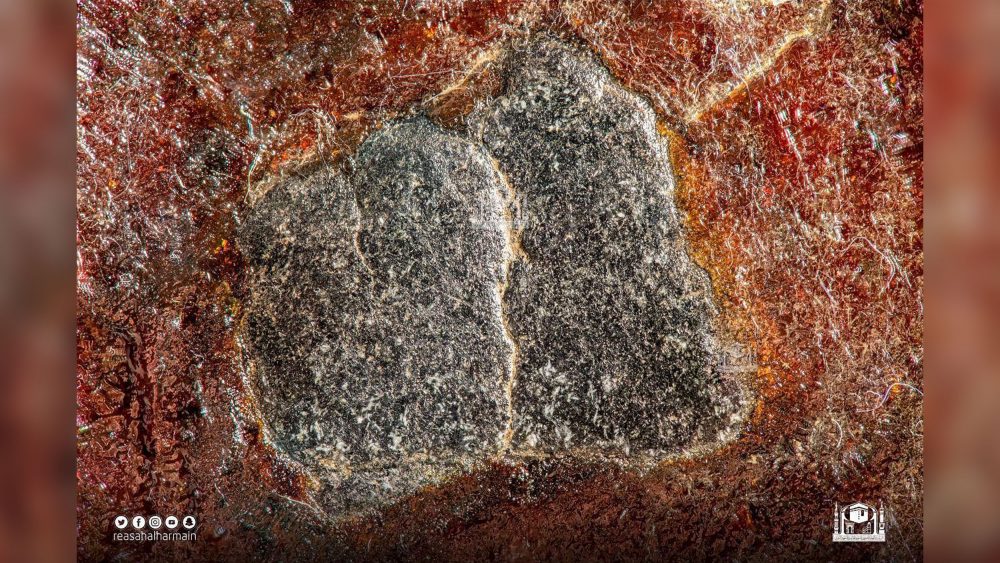
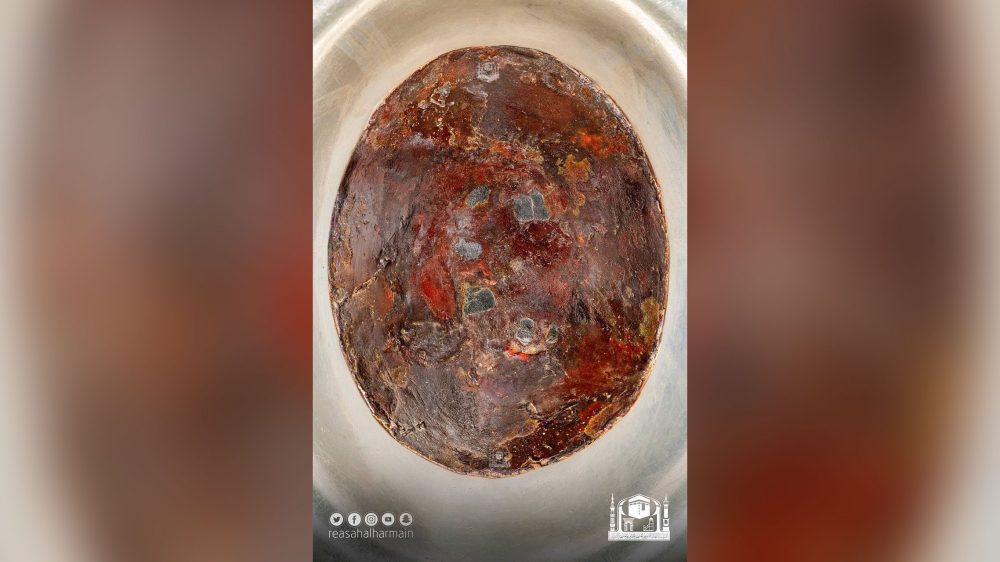
(5 years ago)A Saudi government agency has reportedly been on display, for the first time, photographs of the high resolution of the ancient religious stone in the holy city of Mecca. The images of al-Hiar al-Assad, or Black Stone, are up to 44,000 megapixels in size and took more than 50 hours to go [...]
The images of al-Hiar al-Assad, or Black Stone, are up to 44,000 megapixels in size and took more than 50 hours to get photographed. The engineering agencies of two sacred mosques made up 1050 pictures of the stone, each of which was 160 gigabytes. The stone was photographed for seven hours, authorities said.
A member of Islamic studies, at Oxford University, told CNN that it's the first time he's had an enlarged digital picture of the stone, to look at it closely, and to realize that it's not actually black, as known.
“In Muslim tradition, the stone is considered to be a sacred relic, and although it is unprecedented to see a stone photo, it seems that science is playing a big role in religion”, he added.
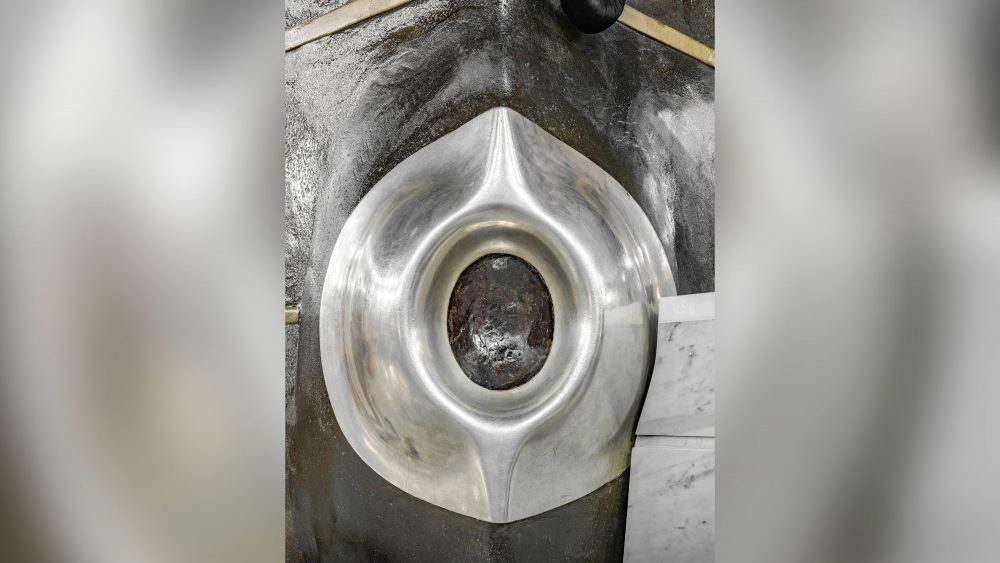
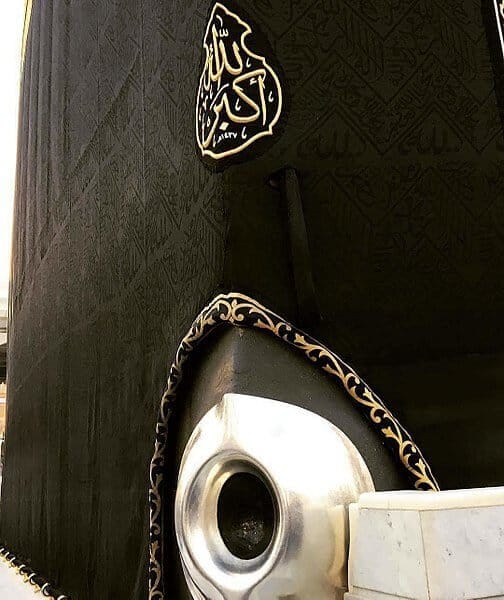
The stone is made perfect for pure silver in the southeastern corner of the House, the building of which is a vault built by Abraham and his son Ishmael.
Mecca is considered the spiritual centre of Islam, and each year, the most important annual pilgrimage is carried out. During Hagi, fans walk in the opposite direction of the hour around the black monolith, touching or kissing al-Hayar al-Assad when passing by.
According to Islamic scholars, the stone was originally white, not black. It is thought that mankind, touching the stone and seeking God's forgiveness, turned black, reflecting mankind's sins.
Scientists point out that the stone may be a meteor or fall from heaven. However, people kiss the stone today and view it as sacred because Omar, the second Muslim Caliph, told followers that he had seen Prophet Muhammad do it.