16 minutes ago
Over 70% of children have experienced physical or psychological violence
Periskopi(5 years ago)
(5 years ago)In poor condition, this June 1st is also finding children in Kosovo. Over 70 per cent of children have been victims of physical and psychological violence, while more than 20 per cent of them live in extreme poverty. In heavier condition are disabled children, where only 10 percent of [...]
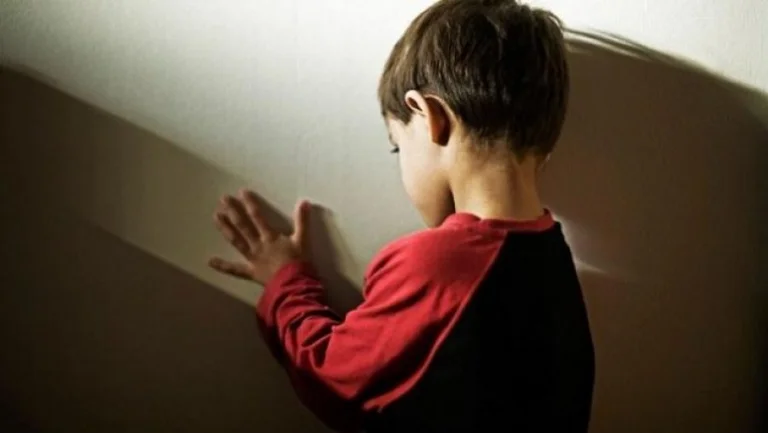
In poor condition, this June 1st is also finding children in Kosovo. Over 70 per cent of children have been victims of physical and psychological violence, while more than 20 per cent of them live in extreme poverty. In more severe condition are disabled children, with only 10 percent of them benefiting health and social services.
The situation of children in Kosovo has made the COVID-19 even more difficult, especially those with limited abilities facing completion of health services.
On the eve of June 1st, Children's Day, the director of the Coalition of NGOs for Child Protection, Donjeta Kelmendi, says the situation of children in Kosovo continues to be bad.
It also shows the findings of recent Kosovo Statistics Agency and U report NICEF for the situation children found in Kosovo.
“The situation of children in Kosovo continues to be bad, we have very disturbing data regarding the situation of children in Kosovo, we continue to have a high percentage of over 20 per cent of children living in poverty in Kosovo. Then, we have a high percentage of the use of violence based on new report M data. The ICS, which has been published by the Kosovo Statistics Agency along with UNICEF, turns out that about 72 per cent of children in Kosovo have been victims, whether of physical punishment or psychological violence, 5 per cent of children in Kosovo are involved in the work, we see the serious state of children who work even hard jobs in Kosovo. Then there are children with limited disabilities according to the report M The ICS about 8 per cent of children in Kosovo have reported having functional difficulties in a certain domain. Then, only 10 per cent of disabled children benefit health services and social services”, she says.
Kelmendi says the situation of children in Kosovo has also burdened him with the COVID-19 pandemic. According to her, the most affected by measures taken for protection from the spread of pandemic have been children with limited abilities.
“Pandemia actually had a lot of impact on the state of children in Kosovo, and especially on the condition of vulnerable children, as we know during 2020 due to measures to prevent the COVID-19 most of the services offered for vulnerable children have been closed in the first part of the year. This has been very traumatic for children, especially for disabled children, those who have received services or the part of children who have received services through daily centres led by nongovernmental organizations, at a given time with the decision to prevent the spread of the virus all closed. It was very traumatic for children because from a routine where children received services were isolated in the family, without those services and without the necessary support of”, she points out.
In addition, she says, pandemic has contributed to an increase in the number of cases when children have been victims of domestic violence.
Kelmendi says that during 2020 shelters providing shelter for victims of violence have been packed with children.
“During the time of housing pandemics have been working with a full capacity of 24 hours and have been packed, more children have been admitted than there have been places because of the large number. Using violence continues to be used in Kosovo families as a means of discipline, primarily physical punishment. The statistics that I mentioned that 72 percent of children have claimed to have suffered physical and psychological punishment speak a lot, more than 50 per cent of children in Kosovo are victims of violence or educated through violent forms”, she says.
KOMF Director says that in 2020, nongovernmental organisations and public institutions offering social services for children have faced numerous financial difficulties, even saying that the same years have been the worst since the postwar year.
Kelmendi also comments on the government's program of points directly affecting children. It states that they value some of the issues presented in it, such as additions for children, reforming poverty policies and establishing the specific grant to social and family services under the Law on Local Finances.
Only 1 percent of the 2010 Labour and Social Management Ministry's budget has been set aside for social services, that is, an extremely low percentage that has been divided to help children and citizens who need social services. We expect that through the creation of the specific grant for social services under the Law on Local Finances to have increased budget rates for social services. Our request as a coalition has been that the budget, which has been about 10 million for social services with the introduction of the Law for the Finance of Local Government in the first year of the first entry into force of this law under the calculations that we have, together with professionals and other public budget institutions, increased by 5 million, from 10 million to 15 million. This would certainly have a big impact on improving the plight of vulnerable children”, she says.
As for the inclusion of children in education, she points out that the worst situation is in the children of communities, which, according to her, still have a low percentage of involvement in education.
The director of the NGO Coalition for Child Protection KOMF, Donjeta Kelmendi, shows the demand they have for Kosovo institutions for this June 1st.
Our “call on this June 1st is to return urgent attention to children, to invest more in children through the budget sharing for policy implementation, laws that have been adopted, specifically, and the Child Protection Law, which needs to start implementing, but implementation must certainly be supported at sufficient financial cost so that there can be an application in the municipality of the Law for child protection of<1>, Kelmen says.
As for the Law on Child Protection that was enacted last year, Kelmendi stresses that the challenge for implementation remains a very small budget.