 5 hours ago
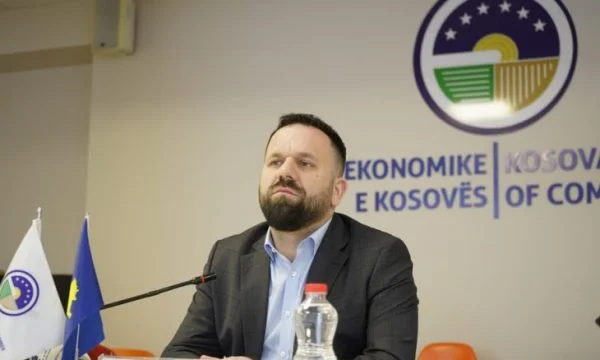
Rukiqi: In Kosovo, no one works at 200 euros' wages
Periskopi(5 years ago)
(5 years ago)Kosovo's Economic Ode Chairman Berat Rukiqi has said all sectors in Kosovo have been hit by pandemic. There are no sectors in Kosovo that have not been hit. Someone more and someone less. Paramedics or large malls are taken. We should bear in mind that large markets do not sell only flour [...]
Kosovo's Economic Ode Chairman Berat Rukiqi has said all sectors in Kosovo have been hit by pandemic.
There are no sectors in Kosovo that have not been hit. Someone more and someone less. Paramedics or large malls are taken. We must bear in mind that large markets sell not only flour and oil and basic products but all the range of products we buy. We know that the purchasing power in Kosovo has fallen. The decline in consumption has reduced economic growth. When consumption falls, vendors and producers” are also affected, Dukagini said at RTV.
Rukiqi says there are many seasonal products that, due to the inability to be sold, had to be used for sale.
The chairman of the Kosovo Economic Ode says it will take another two years for Kosovo to return to the situation it was in 2019.
Rukiqi says the old credit laundering problem remains for many businesses.
Speaking of the minimum wage, Rukiqi has said there are many factors to consider when minimum wage is established.
“It is a methodology that determines wages, including the factor of economic growth, employment in the country, the cost of living and others”.
Rukiqi says very few companies in Kosovo are left with minimum wage.
The cost of work has increased. Minimum companies have been paid 200 euros, because no one comes to work with this”.
He says, however, that the informality in employment must be fought in Kosovo.
A formal contract increases workers' rights and welfare”, Berat Rukiqi said, among other things.











