3 hours ago
Pulmologist Morina: Patients who have gone through Coddy-19 continue to have lung problems
Periskopi(5 years ago)
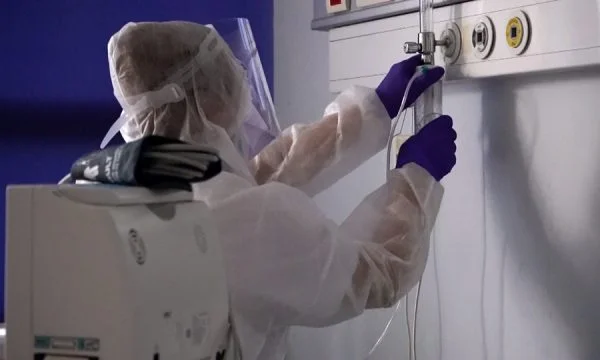
(5 years ago)Part of the patients who have gone through Coddy-19 continue to have lung problems, which makes the Pulmology clinic have a bigger load to be made, so publicologist Besim Morina declared. We've had a bigger load at our clinic in the last month, we've had a number [...]
That's what Pollologologist Besim Morina said.
We've had a bigger burden on our clinic in the last month, we've had a greater number of cases and requests for hospitalization, and the number of patients that need oxygen has been greater. This as a result of the increase in infected. Normally we only observe patients who are in more serious condition, and those in a lighter state we can control in an ambulance, but they continue to treat them at home. New spaces have recently been released, Interno Clinic has been released, and as such this clinic patients continue treatment at the Interno Clinic, this has facilitated our work”, Morina said.
Unfortunately, a significant portion of patients who pass Covid continue to have respiratory problems, and we see that much of them after they pass the infection continue to seek help from us. Some of them do not have enough oxygen that they receive, so they often have to give in extra oxygen - their lungs never regain their function - that is true of a small group of patients who have very serious pneumonia or who have had very serious diseases. But even those who have not had serious problems continue to complain about the consequences of Ovidius”, he said.
“A part complains about constant coughing. One part also complains about vertigo, chest pain, other perspiration problems. So it's a large group of patients who keep getting sick. We're trying to help out, but often this help is not enough because we haven't yet found a treatment that will clear away all complaints at once”, Morina stressed.
On the other hand, the pulmonologist says the length of the anti-strongs depends on the human organism. He says that so far there have been persons whose immunity has lasted only four months, resulting in a second infection.
The “depends heavily on the organism, some organisms that continue to have a more immune response to infection they create more anti-bodys. These are expected to have a longer duration of anti-body. A group of patients have a smaller immune answer. We expect 6 or 8 months to be immune, but it's happened that after 4 months we have second infection, it's up to the person. It also depends on how active the anti-bodys are, because there's someone with anti-body in the blood but they're not active with infection”, Morina told Online Economics.