 3 hours ago
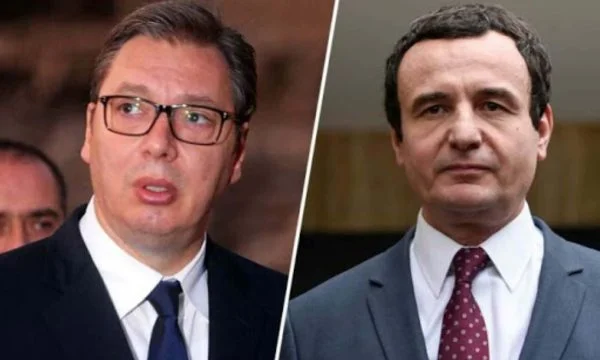
Kurti's visit to Brussels, EU, gives details whether to meet with Vuciqi
Periskopi(5 years ago)
(5 years ago)From the EU, they have confirmed for Express that there will be no Kurti-Vucciq meeting in Brussels next week. Both will hold separate meetings there. This will also be Albin Kurti's first visit abroad since taking office as head of government. There will be a Kurti-Vuchic [...] meeting.
Prime Minister Kurti will stay in Belgium's capital for two days, but since the government has not yet announced the agenda of meetings.
Kosovo executive spokesman Progress Kryezia told Express that his boss's visit is in the service of bilateral relations with the EU.
“The two-day visit to Brussels during the middle of next week is the official visit of Prime Minister Kurti, during which he will meet with senior representatives of European Union institutions. The visit to Brussels is in service of our bilateral relations with the European Union”, Kryeziu said on Friday, adding that in terms of the agenda of meetings, we will call you soon.
EU spokeswoman Zoe Muletier in a response to Express has indicated that no meeting is scheduled between the parties next week in Brussels.
“As for Dialogue, the work continues, however, no meeting is scheduled for next week and we will announce such a meeting when it is appropriate”, she said.
Serbian President Alexander Vuciq expected to travel to Brussels tomorrow, as he declared today that he expects dialogue with Kosovo to continue in May.
EU top leaders' meetings with Kurti and Vuciqi next week are expected to convince the parties of a new round of dialogue.
The last political high-level meeting with Kosovo and Serbia has been in last September, when former Prime Minister Avdullah Hoti met with Serbian President Alexander Vuciq.
Meanwhile, German top diplomat Heiko Maas during yesterday's visit to Pristina said recognition of Kosovo from Serbia would be one of the elements in dialogue, but that the parties should be ready for compromise.
“As far as dialogue is concerned, of course Kosovo's recognition will be one of the elements of the solution otherwise it will not be realised and beyond that this is normal in dialogues for normalisation where there are compromises and I don't want to draw red lines, but I know that because of the historical circumstances it will be difficult, I want to find solutions at the end of the process and the two sides should find readiness for compromise<1>, Maas said.











