 an hour ago
Possible new elections, devastating to the economy
Periskopi(5 years ago)
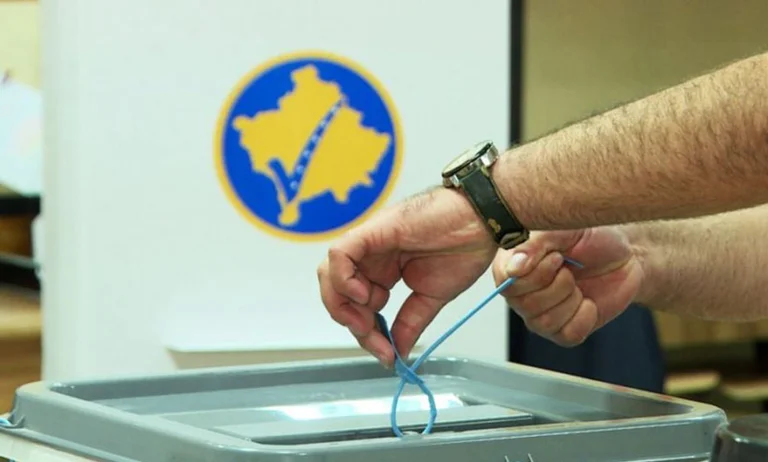
(5 years ago)Failure to elect the president would force the country to go to early elections. However, from an economic perspective, another set of elections after those on February 14th and those expected to be held in the autumn is considered dangerous and destructive for Kosovo. American Chamber of Economics Director Arian Zeka [...]
Failure to elect the president would force the country to go to early elections. However, from an economic perspective, another set of elections after those on February 14th and those expected to be held in the autumn is considered dangerous and destructive for Kosovo.
American Economic Ode Director Arian Zeka told Kosova Press that holding elections has a negative impact, much more in pandemic time, where the biggest damages according to Zeka will be in terms of economic growth, attracting foreign investment and budgetary revenues.
In this regard, the frequent holding of the elections, looked to the historical side, in our country has always contributed to the overall rate of economic growth, as well as to attracting foreign direct investment, but also to income collected for the country's budget. In a hypothetical situation when we would have more frequent elections within a short interval of time, I believe the impact on the economy would be devastating, much more if combined again with the impact of the COVID-19 pandemic, which was during 2020”, Zeka says.
The head of the OEC states that political stability is an important factor in business decision making, so holding the elections frequently causes business decisions to stop.
“Litves such uncertainty or lack of political stability or even frequent holding of elections cause business decisions to stop and investors, domestic or external, to wait for the moment they consider convenient to then implement their investment expansion plans or for new investments”, he says.
Economy expert Leke Moussa tells Kosovo that the government's frequent shift has a negative impact on attracting foreign investors, as well as on realising strategic investments.
Because of the change and continued political instability and frequent change of governments, none of them have managed to realise any major strategic project through this legislation or even the implementation of economic programmes. So even in terms of attracting foreign investors, those in the first place see a very unstable country on the political side and frequent government shifts give to believe that this country is not serious and that there cannot be a consistency of implementation and realisation of various economic ideas”, Musa said.
For that, he says there is not expected to be a very optimistic situation, but, as he points out, businesses have adapted with no support and no political stability.
We cannot expect a very optimistic situation as far as these two elements are concerned, then in the other direction Kosovo has an economy of small- and medium-sized enterprises which are very important and flexible which adapt and we're used to having a political and economic instability. Therefore, the good of this job is that small and medium-sized enterprises are taught and do not rely much on government in political stability”, he points out.
Otherwise, Kosovo's Assembly will meet today to continue the session of electing the president. That was after Saturday's session lacked quorum in decision-making during the repeat first round vote for the country's president. The session will continue at 5:00.











