 5 hours ago
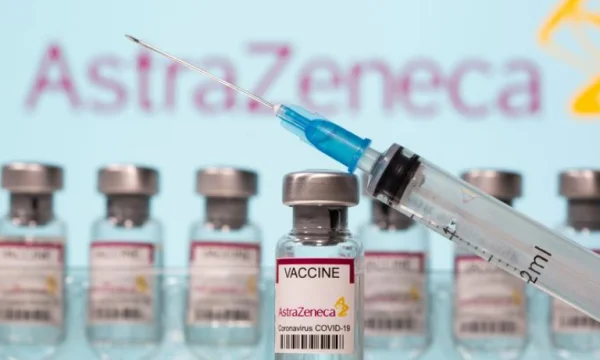
What new British study reveals about the effects of AstraZeneca and Pfizer vaccines
Periskopi(5 years ago)
(5 years ago)A dose of Oxford/AstraZeneca vaccine or Pfizer/ B NTech reduces coronavirus infections by nearly two thirds and protects older and more vulnerable people as young and healthy individuals have discovered a study. According to The Guardian, the results from Oxford University and the National Statistics Office are one [...]
A dose of Oxford/AstraZeneca vaccine or Pfizer/ B NTech reduces coronavirus infections by nearly two thirds and protects older and more vulnerable people as young and healthy individuals have discovered a study.
According to The Guardian, the results from Oxford University and the Office for National Statistics are a welcome incentive for the vaccine program and the first to show the impact on new infections and immune responses to a large group of adults in the general population.
As reported in the British media's script, by reducing infection levels, vaccines will not only prevent hospitalization and deaths but help “match” of transmission chains and thus reduce the risk of a harmful revival of disease, while some countries like the United Kingdom open up again.
It is known that scholars analyzed the results of the test for David-19 of more than 350,000 people in the United Kingdom between December and April.
They found that 21 days after a first dose of time the immune system needed to get a good answer, the new Devvi-19 infections fell by 65%.
The vaccines were more effective against symptoms than assimitomatic infections, lowering levels by 72% and 57% respectively, compared to those seen in the unexplored population.
A second dose of Pfizer vaccine further increased protection, causing symptoms to drop by 90% and asimtomatic infections by 70%.
Whatever. Because Oxford vaccine was approved and used later, it is too early to assess the impact of those second doses.
Scientists on the team have said the findings supported the United Kingdom's decision to prioritize giving the older and more vulnerable people the second doses.
There was no evidence that vaccines were less effective among older adults or those with long-term health conditions”, Dr. Cohen Powells, team researcher.
Meanwhile, it becomes known that further work by the team, analysed the reaction of antibodies to vaccines.
Antibodys rose faster and to a higher level with a dose of Pfizer vaccine, but then fell back, especially to older people, to a level similar to the scale of Oxford.
Although the immune answers changed, Dr. David Eyre at Oxford's Big Data Institute said a strong response to antibodies was reached at 95% of people.
In young people, a dose of vaccine raised antibodies to levels seen after the period 19 infection, while in older people it took two doses.
Our findings stress the importance of individuals taking the second dose of defence growth”, Eyre said.
The results are based on other positive findings from the spread of vaccines, which began in December.
In February, “Public Health Island” found that a month after receiving a Pfizer vaccine or Oxford/AstraZeneca, the risk of being hospitalised by David-19 dropped by 85% and 94% respectively.











