 3 hours ago
Valley Albanians in trouble with passive display of addresses
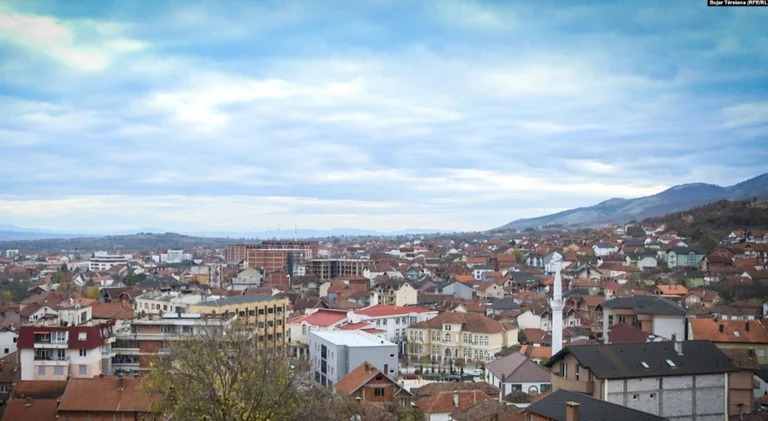
Periskopi(5 years ago)
(5 years ago)Last year, Teuta Fazliu was announced by Bujanoc municipal authorities that her name was removed from the location list, where it had been registered. Fazliou says that with her address being repeated and many other residents of southern Serbian municipalities, Presevo, Medvedja and Bujanoc, official Belgrade is committing violations [...]
Last year, Teuta Fazliu was announced by Bujanoc municipal authorities that her name was removed from the location list, where it had been registered.
Fazliou says that with its mailing address and many other residents of Serbia's southern municipalities, Presevo, Medvedja and Bujanoc, official Belgrade is committing human rights violations.
And the “started off as you moved, so to delete people's names from the sites. I'm one of the next victims in this case. The moment they scan that address, you no longer have the right to apply for documents. It means, as long as there's a deadline in the documents, you can use them, such as passports, IDs, driver's license, health books”, Fazliu shows.
She says that after a person whose address has been checked is presented to obtain new documents, authorities say he cannot apply for new documents, as there is no location.
Teuta Fazliu, who has been living in Kosovo in recent years, says there are many cases when Albanians -- who are from these municipalities in southern Serbia -- have not been reportedly removed from the country's list.
It has filed complaints in various institutions, including at the Administrative Court and the Ministry of Internal Affairs of Serbia.
I also filed a complaint with the Ministry of Internal Affairs because police report to the Ministry. Those two months later have given me back negative answers, saying I am not entitled to complaint and have written in the statement that I do not live here, live and work in Pristina and am married to Kosovo. It means, a very unreasonable paragraph”, Teuta Fazliu said.
Political representatives of Albanians in municipalities in southern Serbia, Presevo, Medvedja and Bujanoc ʹ, also known as Presevo Valley, say that in recent years, the phenomenon of Albanian address equipment has increased.
According to them, the equipment of addresses is changing the ethnic structure of these municipalities.
The head of the Albanian National Council in Serbia, Ragmi Mustaf, says of Radio Free Europe that they are taking all necessary actions to stop passiveising addresses.
These decisions are unconstitutional and anti-civilizing. We have considered this process as much as a massovik towards Albanians in the Presevo Valley, and the situation in the Medvedja Community” is best witnessed, Mustaf said.
He added that according to official data, in Albanian settlements in the Medvedja municipality, in the past three years there have been no official data on the town of Bujanoc 600, meanwhile.
However, according to estimates by the Albanian National Council, Mustafi says there are more than 3,000 addresses that have been disabled in Medvedja and more than 2,000 in Presevo and Bujanoc.
Mustafi said the political spectrum in the Presevo Valley has prepared various reports that have also been sent to the international factor to reflect the situation in these municipalities in Serbia, where Albanians live.
“We are very interested in bringing this process to the end because the right is on our side and besides that we will seek justice”, he said.
Representatives of Albanians in Serbia have expressed concern that Albanians who have fled the Presevo Valley towards Kosovo since 1999 have not been regulated by civil status in Kosovo either.
From 2018 until the end of 2020, 816 people from Serbia, Albania and Northern Macedonia have won the right to Kosovo's citizenship. According to the Department of Citizenship, asylum and migration, the largest number of persons who have sought Kosovo citizenship are from Serbia.
The largest number of persons to gain citizenship in the Republic of Kosovo belong to 18-34 and 35-64. The requirements for profit of citizenship are from persons with Serbian, Albanian, Macedonian citizenship, etc.”, the Kosovo Ministry of Internal Affairs reported in a written response.
The largest number of those who became citizens of Kosovo was in 2018, 349 people respectively.
In the Kosovo Ministry of Interior Affairs, they said they do not know the reason for the requirements for Kosovo's citizenship, but, as they said, “all those who meet the criteria under the Law for citizenship benefit Kosovo citizenship”.
The demand for gaining Kosovo's citizenship with naturalisation is provided by the individual foreign adult person personally in the Civil Status Office according to the settlement of the petitioner in the Republic of Kosovo.
Evidence should be attached to such evidence as birth and marriage certificates for married persons, testimony to the permanent permit of five years, evidence that has fulfilled all financial obligations, and other documents.











