7 hours ago
Preparations Begin for Future Pandemias
Periskopi(5 years ago)
(5 years ago)Scientists say that there is no doubt that the world will be hit by a new pandemic and that this is simply a matter of time. So they call on countries worldwide to prepare to prevent a new infection. They say that urbanization and expansion of our habitat in the vicinity of animals [...]
According to them, urbanization and expansion of our habitat in the vicinity of animals only increases the likelihood of a new human virus.
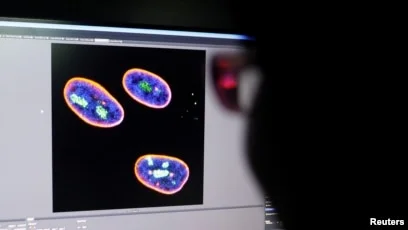
In this London laboratory, samples taken by various people are tested for the greatest dangers to humanity.
Healthy volunteers are exposed to pathogens so that scientists can learn more about diseases and test vaccines.
SARS-COV-2, the virus that causes COVID-19, is one of the viruses studied here.
Scientists say that pandemic is far from over, as vaccines are reaching some countries, other countries are experiencing increased infections.
Furthermore, scientists warn that COVID-19 is not the last pandemic the world sees.
There will be other pandemics in the future. It is clear that everything has changed, the latter changed the way we see a pandemic and how we should prepare”, says Lawrence Young, Professor of Medieval Oncology at Warwick School of Medicine.
Scientists say COVID-19 found them unprepared because they were based on the experience gained by SARS and MERCS diseases, which had managed and posed no threat to health worldwide.
We all plunged into a false sense of security from the fact that SARS and MERCS diseases spread by people who had symptoms, and what we didn't expect was the appearance of a new coronary being spread by individuals who didn't know they were infected. So the spread of the virus by people without simptons, something different that caught us by surprise and we were all a little naive”, says Al.
As hospitals face increased numbers of patients, plans are being devised worldwide to avoid another infection of this nature.
We should use our real-time collection and assessment skills for pathogens. We have to do much more to figure out which species can cause problems for us”, says Danny Altmann, professor at London Imperial College.
Each year, the World Health Organization drafts a list of pathogens that threaten mankind most.
Before 2020, bleeding fever and Ebola led the plan. /voa