7 hours ago
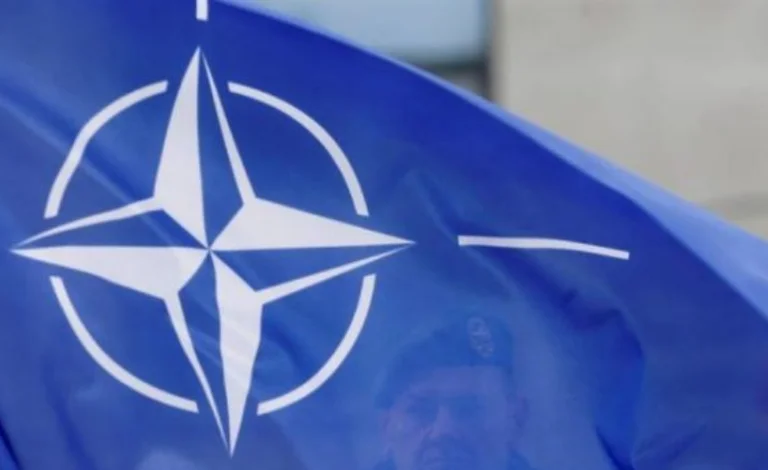
NATO: We are united in the face of Russian aggression
Periskopi(5 years ago)
(5 years ago)NATO foreign ministers pledged that the Western alliance would continue to adapt to the increased “threats and systematic competition”, while stressing that Russia's “aggressive actions pose a threat to Euro-Atlantic security”. Category and authoritarian activities, as well as non-state actors, challenge international order based on rules, as well as hybrid threats and [...]
NATO foreign ministers pledged that the Western alliance would continue to adapt to the increased “threats and systematic competition”, while stressing that Russia's “aggressive actions pose a threat to Euro-Atlantic security”.
“Category and authoritarian activities, as well as non-state actors, challenge international rule based on rules, as well as hybrid and cyber threats, malicious use of new technologies, as well as other asymmetric threats”, the ministers said in a joint statement issued Tuesday, after the first day of talks in Brussels.
US Secretary of State Antony Blinken, who is participating in NATO's two-day meeting, said earlier that China's military growth and Russia's efforts to destabilise the West are threats seeking NATO unity.
In their statement, NATO ministers reaffirmed the stable transatlantic link between Europe and North America to NATO in its heart”.
The ministers also voiced support for Article 5 of NATO's founding Treaty, under which the attack against an ally is considered an attack on all of them.
On his first trip to Brussels as Secretary of State, Blinken also pledged Washington will work to rebuild and strengthen NATO.
The United States wants to rebuild our partnership... We want to revive the coalition”, Blinken told reporters after meeting with NATO Secretary General Jens Stoltenberg.
Blinken will also meet European Commission President Ursula von der Leyen, and EU foreign policy chief Josep Borrell, to talk about recovery from the COVID-19 and strengthening democracy.
His trip to Europe, according to observers, aims to highlight the new American foreign policy, following former President Donald Trump's administration.
Trump's approach was the first “America and traditional allies have often treated them as rivals rather than partners.
The new American president, Joe Biden, has pledged to repair transatlantic relations.