7 hours ago
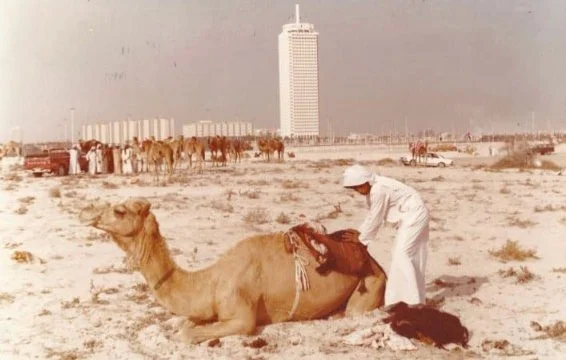
What Dubai looked like before the black CHAri finally transformed
Periskopi(5 years ago)
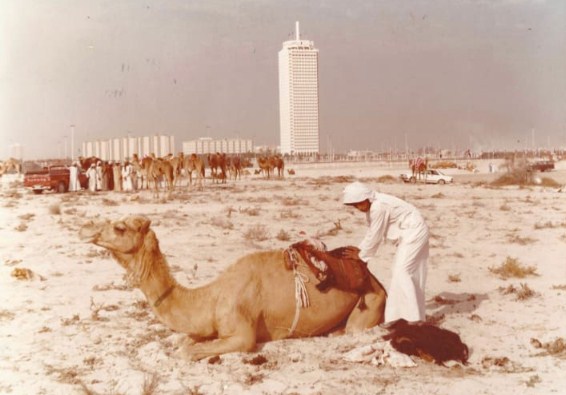
(5 years ago)Dubai is a phenomenon of desert. In the bow of 50 years, it has grown from a small trading country to one of the planet's most escapeable countries. Epics such as Burj Khalifa and ambitious developments like Palma stand as evidence of a developing city, completely young, fast [...]
Epic ruins such as Burj Khalifa and highly ambitious developments like Palma stand as evidence of a city developing overall, completely new, fast and seemingly impossible.
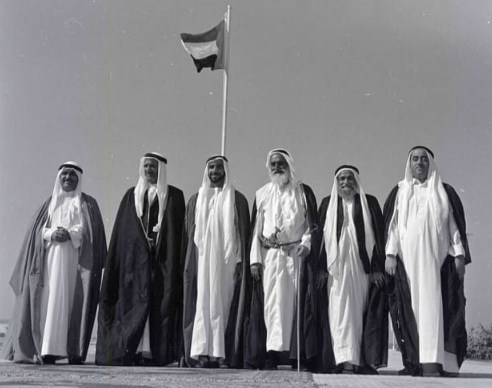
With a long history of Bedouin and a temptation that attracts visitors from around the world, there is no other place like it. Dubai joined his neighbouring Emirates to form the United Arab Emirates in December 1971. At that time, no one could have predicted his development.
However, oil found in the region meant that unimaginable riches were located there to convert what had been a quiet corner of the Arab world for centuries, with a population of only 86,000, to something far more modern, a scientific fiction, with almost three million inhabitants.
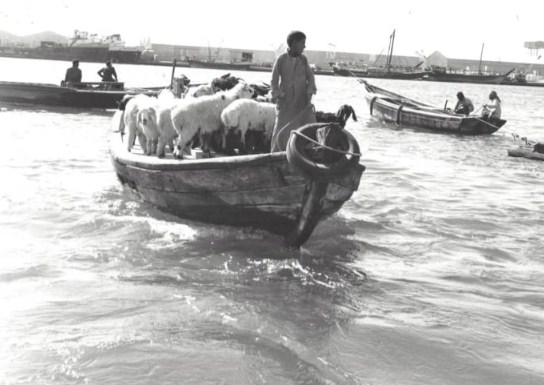
To enter the heart of how Dubai emerged from the desert to become a global center, you must leave behind high buildings and sandy beaches. Because its modern history begins, not with glass and steel, but by several wooden vessels with one or two pillars used in the Indian Ocean.
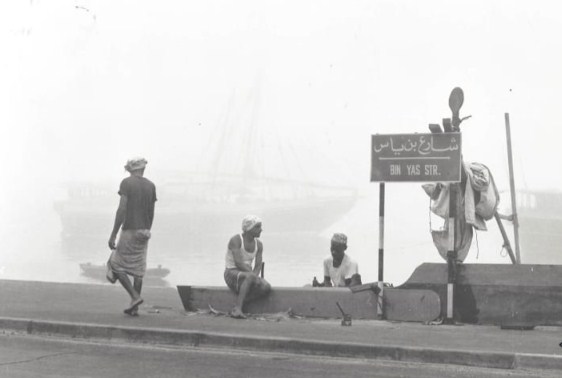
Sultan Ahmed bin Sulayem is today one of Dubai's elite figures. He first started working as customs inspector at what was at the time his sleeping port “” in the 1970s, before being established to become CEO of the DP World, one of the world's largest port of portual logistics.
For him, the rise of Dubai is essentially linked to the commercial mentality of Arab tribes that have called this home country for centuries, and distinctive ships that still cover the waters around the city.
Bin Sulayem's push to create a free transport to Dubai led to a trade boom during the 1980s and 1990s. Without it, it is unlikely that corporations, hotel groups and, of course, the influx of tourists would have come here, creating something really unique.
But, he says, it is the insistence of people and its traditional commercial ships, which are at the heart of the city's continued success.
Actually, innovation is everywhere you go to Dubai. For example, Burj Khalifa. At 828m, it has been the world's highest building since its completion in 2008. It's the most remarkable building since construction and now rivals those of New York and Singapore.
And in the shadow of Burj Khalifa, there is Dubai Fountain, the world's largest source system, distributed in the man-made lake at Burj Khalifa in 30 acres.
The Dubai Metro Red Line is the longest single train line on the planet, with 52.14 kilometers (32.4 miles). This shows that records can be practical as well as a little fun.
It seems it's in the spirit of this place to always be the best or one taking the next step for something quite unusual.