 4 hours ago
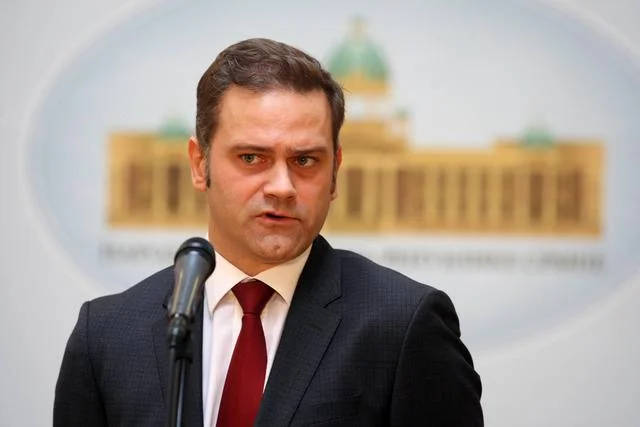
Borislav Stefanovic: Kosovo recognition would wipe Serbia out as sovereign state
Periskopi(5 years ago)
(5 years ago)I would not know Kosovo's independence. Not only is it against our constitution, but because it would be a great injustice and tragedy for our country that could raise generations of individuals who will revenge and national projects that are harmful and dangerous to our policy in the coming days. For [...]
On March 8th, it has been ten years since holding the first meeting between Kosovo and Serbia under Brussels talks.
In the spring of 2011, Kosovo's delegate led Edita Tahiri, meanwhile in front of her, Serbia had decided, Borislav Stefanovic.
It's Stefanovic that in an interview for the Clan Kosova.tv has given his assessments since he was locked up in this process and then the perspective for the academic flow of developments between the two sides.
He has spoken of the process of recognising and reciprocal Kosovo-Serbia, which is the goal intended to be achieved through the negotiation process.
Stefanovic has said he opposes recognising Kosovo as an independent state, adding that Serbia is not asking the European Union either.
I don't believe in easy solutions. I also don't believe that the European Union is urging Serbia to recognise Kosovo as an independent state. We respect the fact that many respected and important countries have recognised Kosovo's independence as their special right”.
“Tutje, is simplification and danger if someone believes that the recognition of Kosovo by Belgrade would choose something from what is happening in Kosovo today, or would not make someone in better economic, social or security situation”, Stefanovic has said.
The continued insistence on Kosovo's independence, for Belgrade to do the same, is driving us away from real problems and eliminating them. I simply refuse to believe that someone in Pristina believes a move by our government can change reality in Kosovo. Above all, we have heard for years from Pristina that Kosovo is independent and internationally recognised as a state. Then why would you recognize us?
Stefanovic has stressed that the recognition would only remove Kosovo and Serbia.
In this interview, the deputy chairman of the Freedom and Justice Party has said that the duration of negotiations coincides with various acts in Belgrade and Pristina.
Meanwhile, it has added that even if it were in power it would not recognise Kosovo as a follow-up. To reconcile Kosovo- Serbia would start to happen when Vuciq falls out of power that is close to happening.
Days ago, it was ten years since the start of the dialogue process between Kosovo and Serbia. As the former head of Serbia's delegation, what do you assess as the biggest achievement in this process for this decade?
Borislav Stefanovic: I see the fact that our negotiations of those days have paved the way for normalisation for everyone living in Kosovo and that we have achieved through so many difficulties and inefficiency to reach important technical agreements. It is a pity that some of those agreements reached have yet to be implemented.
Our dialogue has begun with many empty distrusts and misunderstandings, but that has brought us closer to normalising and acknowledging our differences. It has also helped solve some of the problems that plagued them together, Serbs and Albanians, enabling citizens to move freely and do business.
Much work still awaits us after Serbia achieves democratisation, recognizing the mistakes of the past and respectfully our positions about concern for Kosovo and Metohija's status.
The dialogue process had started in technical forms, but since then reached political forms. Which of the forms do you see as more successful, and why?
Borislav Stefanovic: Of course I say first. The fact that our government insisted on talking about status at the highest level solved nothing. He only helped them to continue delays and procrastination, false and irrefutable promises.
Persistence in high-level political negotiations and the removal of the status issue from the United Nations in Brussels was one of the pressing mistakes the regime of Aleksandar Vucinqi made. Not because the status issue is irrevocable or trivial, but it's a problem where common seems to be more frightening. If we now see the impact of Brussels' agreements, we should really be very optimistic and want to find some things that already work and produce fruit. It's a continuous process of lost opportunities, wrapped in secrecy and postponement.
They're trying so hard to hide everything from citizens, they're playing with people's emotions and their aspirations so that it can continue with corruption, personal enrichment and power seizures. The good news is that they don't seem to continue to be in power for long, and then true reconciliation can begin.
This decade of talks by various actors is seen as a period of little reaching. From your viewpoint, whose fault is it?
Borislav Stefanovic: All of us are to blame, but above all, the failure of the current political elites in Pristina and Belgrade to deal with illusions and media frauds, just to stay in power, wrapped up with national flags, until people, together with Albanians and Serbs, live in poverty and are looking for a better life in Switzerland or Germany.
They still believe that their media-based explanations for each round of infertile talks are based exclusively on their electorate and their domestic political audience.
So far, there are some things Belgrade and Pristina have managed to reconcile -- agreements that have provided assistance at least to some of the people living in Kosovo. I believe the trend is good and that we must continue with dialogue and with our demands for peaceful solutions to our many differences.
When do you believe there can be an epilogue of the negotiation process?
Borislav Stefanovic: It could end with an agreement between Belgrade and Pristina in which all corners of our relationship should be covered and that the future agreement would effectively remove the unrealistic and unacceptable elements.
The future agreement should be sober for us all but powerfully turned towards our common European future. However, as long as this process is seen as a coupon for a lip service to Brussels and Washington, without a real interest in solving real problems, freedom of movement, the right to accept medical service, schooling, work and security, in content will be barren.
Do you see the end of the dialogue process with mutual recognition between Kosovo and Serbia, as the US and the EU say at all times, or do you think there can be agreements without recognition?
Borislav Stefanovic: I don't believe in easy solutions. I also don't believe that the European Union is urging Serbia to recognise Kosovo as an independent state. We respect the fact that many respected and important countries have recognised Kosovo's independence as their special right. On the other hand, it is simplification and danger if someone believes that the recognition of Kosovo from Belgrade would choose something from what is happening in Kosovo today, or would not make someone in better economic, social or security situation.
On the contrary, the continued insistence on the leaders who have recognised Kosovo's independence, for Belgrade to do the same, is driving us away from real problems and eliminating them. I simply refuse to believe that someone in Pristina believes a move by our government can change reality in Kosovo. Above all, we have heard for years from Pristina that Kosovo is independent and internationally recognised as a state. Then why do you need to know us?
We believe in real reconciliation, the removal of all obstacles and difficulties between us, in the economy, free movement and education, finding missing persons. Recognition is a sovereign act for each independent state. You see what happens when someone believes it's enough putting two leaders at a small table in the White House and signing what and where they're going to put their embassies, or how they should handle 5G technology.
The solution to the problem lies elsewhere. We can believe that there will in the future be agreements between two democratic and pro-European governments, with full respect on major issues which cannot be seen as points for friction between us, but also as a point of luck or victory-losing solution. It's just not like that, and it won't.
Serbia's president, Aleksandar Vuciq, has said many times that until he is in power in Belgrade he will not recognise Kosovo as a state. How do you view his attitude, and do you believe that he is the one?
Borislav Stefanovic: His stance is well-pleased with his personal and party interest. He has also said many times that he will never recognise Kosovo “at the current limit”. And what was the result of such an attitude? Nothing. Neither results nor problems solved, except that all Kosovo Serbs have succeeded in joining his party, becoming blackmail, pressure and violence.
On the other hand, we have Mr. Albin Kurti who believes dialogue is not a priority, and we have Mr. Ramush Haradinaj, who is again pushing for Kosovo joining Albania. None of these are possible, nor realistic, nor will ever be realized. They're just trying to throw pepper on people's eyes, blind them, so there's greater corruption and crime everywhere. I believe that we have to solve the real problems that exist in the region and in Kosovo, that we can finally start talking and listening.
If you were in power in Serbia, what would be your position? Would you recognise Kosovo independently? If so, why? If not, why?
Borislav Stefanovic: I would not know Kosovo's independence. Not only is it against our constitution, but because it would be a great injustice and tragedy for our country that could raise generations of individuals who will revenge and national projects that are harmful and dangerous to our policy in the coming days. Not to say that such an act would wipe Serbia out as a sovereign and European state. On the other hand, I would certainly choose anything else that would fall between us.
Would he choose something, or would he just deepen his wounds? I guess it's just gonna get us out of here.
Would it be enough for all of us to start living in normal relationships on the European road? Could the formal recognition of Kosovo by Serbia bring better life or something essential for all of us, except that it would be fulfilling the national project and national aspirations at the expense of others? Would there be work for people, or would it help families who still try to find their loved ones? No.
I know that a lot of people in Pristina and at the top of the world will not agree with me, but that we are not obliged to agree on everything, only about the essentials to normal and democratic life for our people. I think this is a good point for our future relationship.











