 3 hours ago
Blowing out in prayer, Vuciq: Serbia vaccines full but Serbs suspect in them
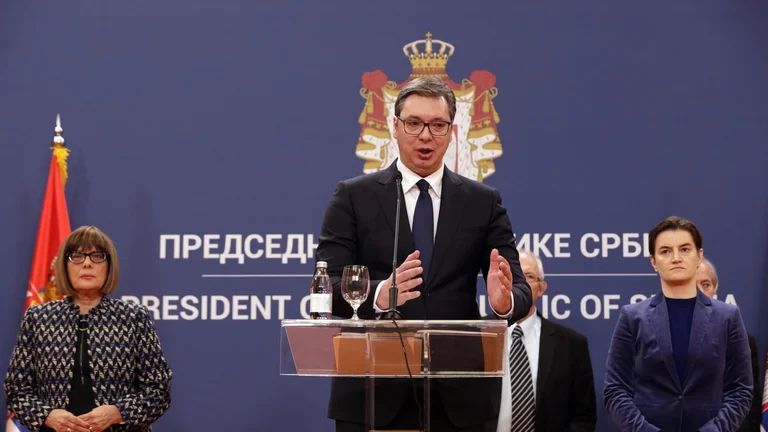
Periskopi(5 years ago)
(5 years ago)The following article is from The Guardian and translated into Albanian from Periscope. Serbia's most famous citizen, tennis champion Novak Djokovic, has been vocal in his scepticism for vaccines. A government adviser for the pandemic told media last March that Covid-19shi exists “alone on Facebook”. When [...]
Serbia's most famous citizen, tennis champion Novak Djokovic, has been vocal in his scepticism for vaccines. A government adviser for the pandemic told media last March that Covid-19shi exists “alone on Facebook”. When the fruit cases erupted three years ago, authorities had blamed the influence of the powerful anti-vaccination lobby.
Surprisingly, Serbia is a candidate to become Europe's most vaccinated nation. But, since January, the nation from the Western Balkans has been ahead of the rest of the world, giving more than 31 doses of vaccines for every 100 citizens, according to statistics, leaving countries like Germany [13 doses for 100 people] and Canada [10.8 doses for 100 people].
Success has enlightened the country's pockets, where suspicion of vaccines is continuing to be very stubborn, forcing Serbia's authorities to face a question that other Balkan or Eastern European countries can expect, where polls show there is a reluctance to receive doses. Once the supply of doses passes, how will you convince skeptical communities to be vaccinated?
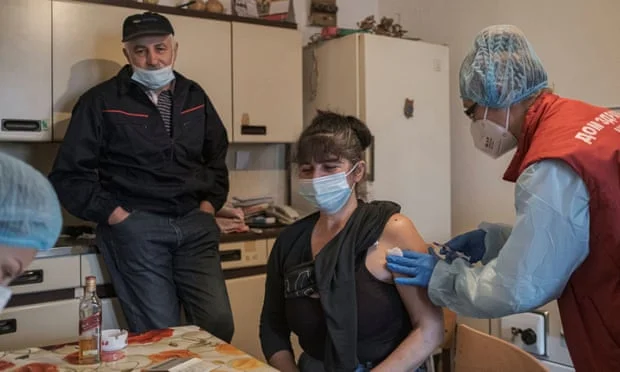
Less than eight vaccines for a hundred people have been administered in Novi Pazar, Sandzak's largest city, a rural region and the largest centre of the Bosniak minority, despite four different vaccines as an offer.
I guess it's still too early to say that the vaccine is safe,” said Samin Martinovic, a 20-year-old on the streets of Tutini, a town in Sandzak. There are many examples of side effects everywhere, and so is the question of what is most effective. In my area, people are scared. ”
Dezinforms are numerous in the country that the European Parliament has named the <x0point where Russian deninform campaigns” are launched, and as much is the distrust of the health system, which under the communist regime of the Cold War, had made massive vaccines mandatory. Child disease vaccines are still a legal requirement but are avoided by many.
“There are very half true in social networks, or pure roots for vaccines”,” told me Ervin Corovic, a doctor who serves as head of the medical centre in Novi Pazar. We had to fight for years with people who didn't want to vaccinate children. We had good results in that, but now the pandemic came and anti-vaxine voices became noisy again. ”
Residents know what Coddy-19shi can do. Novi Pazar with the district have been among the hardest hit in Serbia, with about 4 thousand and 900 deaths registered, but the actual figures are thought to be even higher. An emergency situation was announced last July when hospitals increased capacities. “They were overcrowded, there was lack of equipment,” said Corovic.
Contagion rate reports Periscope 19 is increasing again, and regional officials are competing to avoid another crisis.
Several-year-old jokes about strategic influence in Serbia between China, Russia and Western Europe have been translated into a pile of vaccines by these producers. “We have more vaccines than those who applied for them,” said Prime Minister Ana Brnabic last week.
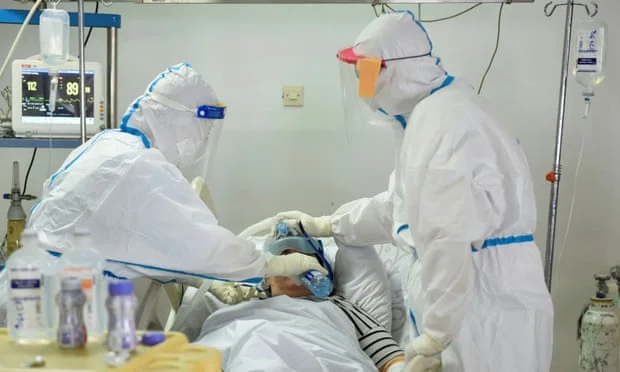
Its president, Aleksandar Vuciq, leader who, in his dominant position in institutions, has caused Serbia to no longer be called democracy, has considered the surplus of vaccines as a personal triumph.
I'm begging you people, call and take the vaccine,” he said in an address this month. “I have them, and we'll have more. I beg you as God, take them. ”
In a polarised country among pro--element elements The EU and those favouring Russia, the number of vaccines has helped overcome some of the scepticism, says Belgrade political science professor Milan Krstic.
Whether people prefer Eastern powers, like China or Russia, or Western powers like the EU and the US, it plays a role in selecting the vaccine,” he said.
That vaccines have become very politicised, and synonymous with political figures, this is a source of concern for public health experts, who fear that the early success of Serbia's inoculation programme can be overshadowed if it is not allowed to form immunity to the flock that requires 70% of the population inoculated.
The “was important for the regime to show Serbia had more vaccines than other countries, but at the same time we neglected the main part: to educate people for the vaccine,” said Zoran Radovanovic, epidemiologist.
“Education for vaccines before mass inoculation is like artillery during the war. You start ruining the front of the enemy with artillery. In this case, that would be education. But this has not been the case with Serbia. ” /Periscope











