6 hours ago
The former prisoner in Serbia recounts the horror he experienced: They tied our hands with ropes coming into our flesh

Periskopi(5 years ago)
(5 years ago)Thousands of Albanians were violent and held equally violent in Serbia's prisons, even two years after the war ended. Beated, tortured, kept without food and sleep, they considered themselves lucky to be brought out of the Serb slaughter, and could join their families. Most [...]
Beated, tortured, kept without food and sleep, they considered themselves lucky to be brought out of the Serb slaughter, and could join their families.
Most men were kidnapped by refugee columns, others were arrested throughout Kosovo. The irony was that Belgrade accused them of terrorism.
Skender Jusuf, former prisoner at the Pozharevci prison in Serbia, tells of ABC the suffering he has experienced while in the Lipjan prison and the moment of transfer to another prison.
We were accused of terrorism. Albanians were terrorists to them even if they had their hands in their pockets. But we've actually had suffering and death, all of it. I was in Lipjan. I was in ward six. There were two rooms, 13 meters to 10.
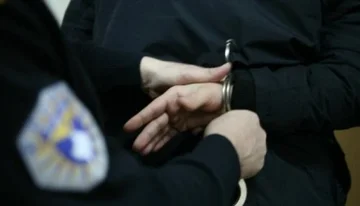
We've been a lot. When we were taken from Lipjan, our hands were tied with thin rope, which you put deep into the flesh and our hands swelled. In prison when we entered, the guards lined up in two lines and we passed through two lines. They hit us with what they had power of”, He says.
According to Human Rights Watch, the Yugoslav government of time had acknowledged that around 1900 Albanians from Kosovo were being held in Serbian prisons, even though some of them did not figure anywhere on government lists. In March 2002, Belgrade decided to allow all Albanians from Kosovo who were still in Serbian prisons to move to Kosovo.
I can't even describe myself. It's how they donate their lives for the second time. Seeing family has been a very good feeling”
But horrors in prisons, even within Kosovo, were no less barbarian. The massacre in the Dubrava prison in May 1999 killed dozens of Albanian prisoners, and 200 others were injured. About 1,000 prisoners were brought from Serbia's prisons in Dubrava in the spring of 1999 during the NATO bombing campaign.
I have indicted the state of Serbia after the war. I won the hearing at the Serbian court, in session it seemed to me that I defeated the state of Serbia because I earned my right. It seems to me that the entire Serbian state was captured by only”He shows.