 7 hours ago
Montenegro tightens measures on COVID-19
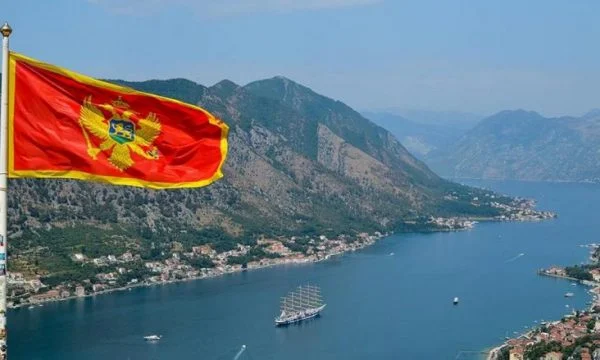
Periskopi(5 years ago)
(5 years ago)Montenegrin health authorities imposed epidemiological measures Wednesday as the number of new cases averaged 500 per week on average, meaning that almost 0.1 percent of the total population is infected with coronary on a daily basis. The new measures introduced closure in Herceg Novi and the same [...]
The new measures introduced closure in Herceg Novi and the same measures were extended to Budva and Tivat, where closure was imposed for two weeks, while in most parts of Montenegro extended the ban on operating hotel objects and selling coffee abroad was banned.
The new measures recommend working from house to house in state and private companies.
Luxembourg, San Marino, Slovakia and Bulgaria have added to the list of countries whose citizens need a negative test The PCR to enter Montenegro.
Montenegro's leading epidemiologist Igor Galic said the current epidemiology situation in the country is extremely complicated and that Montenegro has been one of the leading countries in the world in terms of the number of new cases on a daily basis for weeks and that it has recently entered the list of 10 countries in terms of deaths for 100,000 people.
The current epidemiological situation is complex, local transmission is high and the health system is overloaded. The high number of deaths this week is disturbing “, Galic said, adding that 75.8 percent of hospital capacities destined for COVID-19 have actually been filled.
“is a very disturbing fact, although hospital capacities can be expanded. These measures that we're adopting should give results in two to three weeks, and if they don't, we will consider general closure”, Galic said.
The presence of the British strain of Coronervirus was determined in Montenegro last week.
The total number of active corruption cases in Montenegro is 8471, which is 1345 per hundred thousand people. Since the beginning of the epidemic, the total number of recorded cases of the new coronary infection in Montenegro is 73.612, which is 12 percent of the country's population.
The vaccine with the Russian vaccine Sputnik V, which the country received as a donation from Serbia, began on Saturday when users of a nursing home in Bijela were vaccinated, and during the week the vaccine will be taken from the clinic medical staff downtown and other hospitals in the country.











