an hour ago
PDK seeks to declare emergency energy supply state
Periskopi(4 years ago)
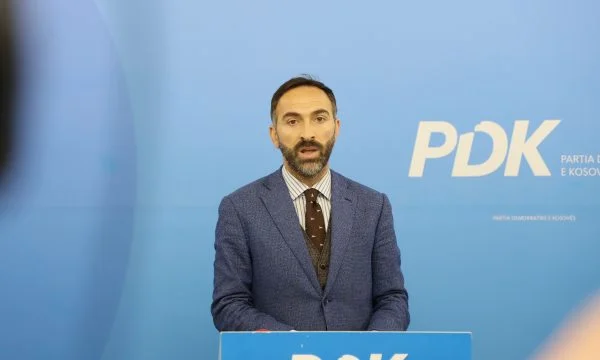
(4 years ago)Democratic Party of Kosovo chief member Blerand Stavileci has been presented at a media conference on the energy crisis situation in the country. According to him, the current government has left Kosovo completely unprepared to face the effects of the energy crisis. Stavileci said about the energy crisis that in recent months, across Europe [...]
Stavileci told the energy crisis that in recent months, across Europe has experienced tremendous increases in electricity prices, “while the Government of Kosovo has shown neglect and has taken no measures to address this crisis, which was rapidly approaching”.
Our warning that this crisis seriously threatens the regular supply and affordable prices of citizens and businesses, thus jeopardising economic stability, citizens' well-being and national security itself, the Government, not having done any concrete action, but, rather, has neglected the situation that every day we are seeing collusioning a part of the system, as it did today with the warmer of the capital<1>, Stavileci said.
According to him, the “situation exacerbates the welfare of households and reflects negatively in each consumer's pocket as a result of the expensiveness of all products. Also, it risks seriously harming Kosovo businesses that have not yet recovered from the pandemic crisis”.
Contracy Stavileci proposed on behalf of the PDK that: “should be declared a state of emergency energy supply, according to the Energy Law, Article 25. - Set the ceiling price for the domestic market and deviate from this price to be subsidised by the government. It turns into consumers who are all on the free market in order to become socializing their energy import cost for the period that this crisis will be present. Tʹu removes tanks in coal KEK and proportionally lower the price of selling this Corps in order to carry this benefit to the final consumer. To address the priority deblocking transmission lines with Serbia (which have been blocked by December of last year) in order to avoid high transmission costs, as well as facilitate energy trade”.