 3 hours ago
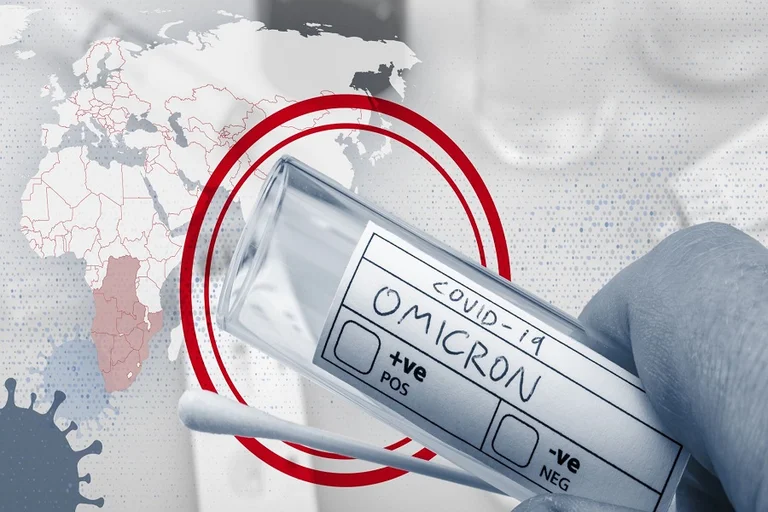
Omitron spreads 70% faster than the first two variants, but damages the lungs less
Periskopi(4 years ago)
(4 years ago)A new study conducted in Hong Kong reveals that the new type of omitron spreads 70 percent faster than the delta and the original version, but it does much less lung damage, unlike the previous two species. Scientists who participated in this research have previously worked in the study of [...]
Scientists involved in this research have previously worked on studying other viral infections.
The technique they used in previous research was used in the latter to find out how quickly omicron is transmitted and how it affects the human body, and then compared the results to other variants of the coronary.
Within 24 hours of contracting virus samples, the omitron version was repeated about 70 times more than delta and the original version. But in human lung tissues, it repeats with less efficiency, indicating that infection causes only a milder form of disease.
The use of the disease in humans is determined not only by the reproduction of the virus but also by the body's immune response to infection, which can lead to immune disorder, or ʹttuthuhi cytokineʹ in part APUbypass. Immunity acquired by vaccines or antibodies from infection, the general threat from this species is likely to be very significant, the study concludes.











