10 minutes ago
London summons 6 top Balkan diplomats, part as well as Kosovo
Periskopi(5 years ago)
(5 years ago)British and Foreign Secretary Liz Trus will meet with Balkan foreign ministers, while the United Kingdom seeks to convince international allies to defend the hard-earned peace in a region where separatist tensions have increased more and more. After chairing a meeting of [...] foreign ministers
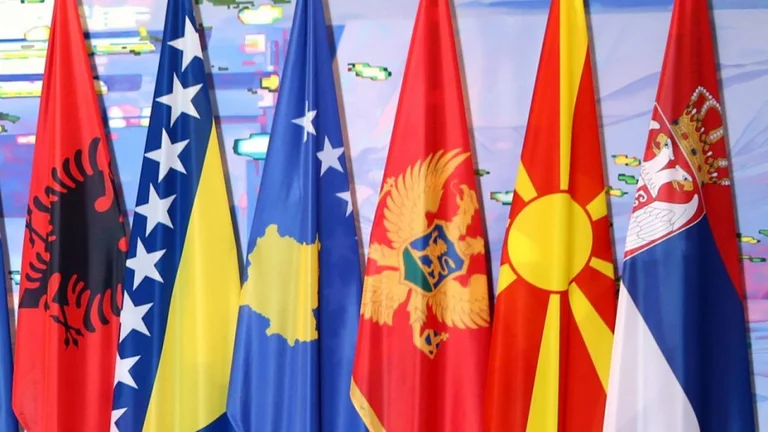
After chairing a meeting of G7 foreign ministers in Liverpool, Trus will discuss today with counterparts from Albania, Bosnia and Herzegovina, Kosovo, Montenegro, Northern Macedonia and Serbia.
Discussions come after the top international representative in Bosnia, German diplomat Christian Schmidt, warned that the 1995 Peace Agreement that halted the country's bloody civil war could be disbanded.
Bosnian Serb separatist threats have sparked tensions in the region, with concerns also over Russian involvement.
Schmidt has said the Balkan nation can be disbanded if the international community does not contain the threatened divisive actions by Bosnian Serb leader and presidency member Milorad Dodik, who has silent support from Russia and Serbia.
Speaking ahead of today's meetings, Trus said the “Great Britain is committed to the Western Balkans and to the protection and promotion of freedom and democracy in the region”.
“While uniting the foreign ministers of six countries in London, as well as representatives from the European Union and the US, tensions are high and the international community must act to protect the hard-earned peace”.
“Establishing economic ties with the region is a vital way to create jobs and assets, to ensure stability and to support freedom”, she stressed, the ATSH wrote.
At the meeting three years ago, leaders of the six countries made pledges in a series of joint statements on regional co-operation and good neighbourly relations, war crimes and missing persons on the territory of the former Yugoslavia.
Officials said Monday's talks would aim to reaffirm the United Kingdom's commitment to the Berlin Process, with Trus expected to encourage political leaders in the region to reject hate speech, condemn the legalisation of genocide authors and war crimes, and respect international verdicts.